



GitHub vs GitLab: Which is Best for You?

An important aspect of the software development lifecycle is repository management. A Git repository is where you can collaborate, test, share, store web projects, and code. Since Git is distributed, you can have local repositories. This allows you to work on your code without having Internet access.

Using the right repository for your project is important for accelerating your software development initiative and efficiency. 

In this post, we’ll discuss two different Git repository managers - GitHub and GitLab to help you understand which fits your project best.

Let’s dive right in!

What is GitHub?

GitHub is a cloud-based repository management hosting service that provides a Web-based graphical interface. It serves as a hosting site where web developers (novice programmers and seasoned engineers) can work reciprocally, upload, and improve the code they create.

Additionally, it offers a robust version control system, which allows for consistent collaboration without jeopardizing the integrity of the original project. You can use GitHub for both public and private projects.

What is GitLab?

This is an open-source code repository, as well as a collaborative development platform. It offers a location for code storage and collaborative development of projects. Like GitHub, GitLab also offers version control that allows users to check previous code. GitLab supports both public and private development branches and offers features for bug tracking and project management. 

Similarities Between GitHub and GitLab

Since both are developed on the same Git basis of version control, their functions are similar. 

Third-party Integrations:

Both GitHub and GitLab offer a wide range of third-party integrations. Integrating your version control system with other applications enriches your workflow and can boost productivity for your developers and other employees connected to the software.

Tracking:

GitHub, as well as GitLab, offers a simple issue tracker that lets you change status and assign owners accordingly. Both of them have great reporting tools, including bug reporting and user feedback that can be accessed instantly.

Labels

Both utilize a simple system of labeling that allows you to assign informative titles to easily categorize issues, merge requests, and epics. 

Issues

Both GitHub and GitLab offer features like setting the issue status, assignees, milestones, and they can each be filtered without a challenging process.

Enterprise solutions

Both GitHub and GitLab offer enterprise solutions for businesses.

Differences Between GitHub and GitLab

Open Source

Both are open-source platforms and they both provide free private repositories for open-source projects. However, GitHub allows you to have unlimited collaborators and unlimited repositories, while GitLab allows an unlimited number of users with unlimited free private repositories. 

Authentication Level

With GitHub, you can decide who gets reading or writing access to your repositories. While in GitLab, users have different levels of access based on their roles. 

Import/Export Features:

GitHub is more restrictive when it comes to import and export features of existing GitHub repositories as it does not provide step-by-by documentation. On the contrary, GitHub provides a GitHub importer tool to make importing and exporting easy. 

GitLab offers quite extensive documents on how to import and export data from external sources including GitHub, Bitbucket, and any GIT URL. Also, GitLab allows you to export projects to other systems.

GitLab Vs GitHub Enterprise:

The decision to use either GitLab or GitHub is highly dependent on the project and organization.

GitLab enterprise is significantly cheaper compared to GitHub. If you are operating on a tight budget, GitLab is a preferred option. It also provides a feature-rich experience. 

Still, GitHub with its established strong market position is highly popular among larger development teams and organizations. 

GitHub Vs GitLab Performance:

GitHub focuses more on high availability and infrastructure performance, whilst delegating other functionalities to third-party tools. Meanwhile, GitLab puts more emphasis on providing maximum features in a robust platform for end-to-end development management.

GitLab CI vs GitHub Actions:

One of the differences between GitLab and GitHub is the built-in CI of GitLab. GitLab provides its CI for free. It has been addressing the DevOps market earlier than its competitor, as well as offering an operation dashboard that lets you understand the dependencies of your development and DevOps efforts. 

Additionally, GitHub released Actions in 2019. Actions allow you to write tasks that automate and customize the development workflow. But it does not come with a deployment platform and needs additional applications. 

Wrapping It Up

Both GitLab and GitHub are web-based repository managers that allow collaborating on code. GitLab has amazing and unique features that allow you to go from development to cloud without necessarily having to use other third-party tools. GitLab has lots of features. On the other hand, GitHub is trusted by many developers. It provides you with a larger number of integrations and offers collaboration tools.

GitHub Actions makes development faster and easier. But for the DevOps lifecycle, GitLab ranks better with its built-in CI/CD framework and monitoring features.

Your choice of repository management platform depends on the objectives you need to achieve and what suits your needs best.

Get in touch with us to discuss more.


12 Considerations for Your Online Payment Gateway

Until recently, choosing a payment gateway was uncommon and difficult to find a reputable service for your website. Graciously, that is no longer much of a barrier for online businesses.

Conferring, the data from research; about 86% of customers make purchases online using their respective debit or credit card. Of those customers, more than 60% prefer that method of payment when performing a transaction over the Internet. 


Now, what exactly is an online payment gateway?

The Online Payment Gateway is technology that allows you to securely accommodate your payment method and the website you are purchasing from. Common payment methods include; credit, debit, or gift card, as well as any other online wallet.

BrainTree, PayU, Amazon Payments, Stripe, PayPal, and Skrill, are some of the most commonly known payment portal methods.


Online payment gateways have been a popular method for online retailers to have the ability to process and accept electronic payments. Without having to run the code, software, security, and connections themselves. Online payment gateway services allow for complementary resources with everything you’ll need to set up payments!


This may seem as though the online transactions operate seamlessly, however behind the scenes there are several processes working to ensure everything runs securely: getting funds from purchaser to seller. 

Asking a few questions to thoroughly understand how payment gateways operate; is a good practice when starting a business. Here are a few question starters:

  1. What will the gateway cost?

  2. Do I get fraud security, or virtual terminals?

  3. Does your gateway require a mandatory merchant account?

  4. What countries does your gateway support?


Along with those 4 questions; here are 12 crucial aspects when selecting a Payment Gateway provider:


1. Choose a proper payment flow

  • As your business increases popularity, your payment gateway should have the ability to grow seamlessly

2. Selecting the right product

  • When making sure you have the correct product, you should acknowledge the adaptability of your payment method, but also keeping in mind how secure it is

3. Ensuring your customers feel their information is safe and secure when making a purchase

  • Whether it is for a small company or a large corporation, secure payments should be top priority

4. Consider any required fee and service agreements

  • It is important to know what kinds of transactions your business will be making, as the price for a payment gateway will vary accordingly

5. Assure that the transactions are effective and efficient

  • Approximately 25% of customers will leave a transaction unfinished if it requires them to have an account

  • Make sure your browser has a guest checkout option!

6. Ensure that checkout is responsive to any device

  • Nearly 15% of online sales happen through a mobile device in the most recent years

  • Therefore, making it more important than ever to ensure your server works on all devices

7. Good feature selection

  • Ensure there is something for everyone’s business needs

  • The ability to accept varying credit and debit cards, as well as alternative currencies to just CAD or USD.

  • Ensure that which ever payment gateway you go with utilizes electronic invoicing, all payment types, as well as email reminders for customers

8. Can be easily integrated without a difficult process

  • Online payment integration is NOT something you can just DIY

  • A significant number of them have detailed instructions on how to integrate them to online platforms such as

    • Shopify

    • Magento

    • WooCommerce

The best solution is one that doesn’t slow down your website’s other graphics.

9. Merchant Account

  • An important feature in the online payment gateway world

  • This allows for a customer’s payment online to be transferred into a company’s account rather than your own

10.  Option to allow for automatic billing

  • Some businesses; specifically, subscription-based sites, require monthly payment plans, which then makes it a required feature for a payment gateway to offer recurring automatic billing, so the customer doesn’t have to input their information every month

11.  Allow for mobile payments

  • Again, just the ability to pay on the go and through multiple platforms

12.  24/7 customer support

  • The ability to troubleshoot and fix a problem that the business owner can’t fix themselves is important

  • Therefore, making technical support an important feature in payment gateways


But, HOW do online retailers using a payment gateway operate?

Ultimately, the goal is to ensure that when consumers are making a payment online, the process should be effective, efficient, and secure, for both the seller and the buyer. 

We ensure that the payment gateway’s companies use the standards of PCI (payment card industry), which has recently started utilizing security techniques by Myriad to help lower the chance of fraud incidents. 


9 Steps to Payment Gateways When Purchasing Goods:

1. It begins immediately when a customer makes an order, and fills in their payment information

2. The Internet browser then encodes the data, to be transferred to the merchants’ server

3. The payment gateway then sends the transaction information to be processed at the merchants’ bank

4. The processed payment then sends information to the card used

5. The customers’ credit card bank will then issue the transaction as being approved or denied

6. Once processed, both the purchaser and the merchant will receive approval from the gateway

7. Once the gateway approves, it will transfer to the interface of the browser and process the payment

8. “Clearing Transactions” happens once the merchant is finished with the transaction

9. Finally, the bank that is in use, will then change the debit from being “auth-hold” to an allowed “settlement” with the sellers’ secure bank. 


Finally, Here are the Best Payment Gateways:


Small Businesses and Startups

1. WooCommerce Payments

  • Turns a WordPress website into an online retail platform

  • $0 annual fee

  • Convenient

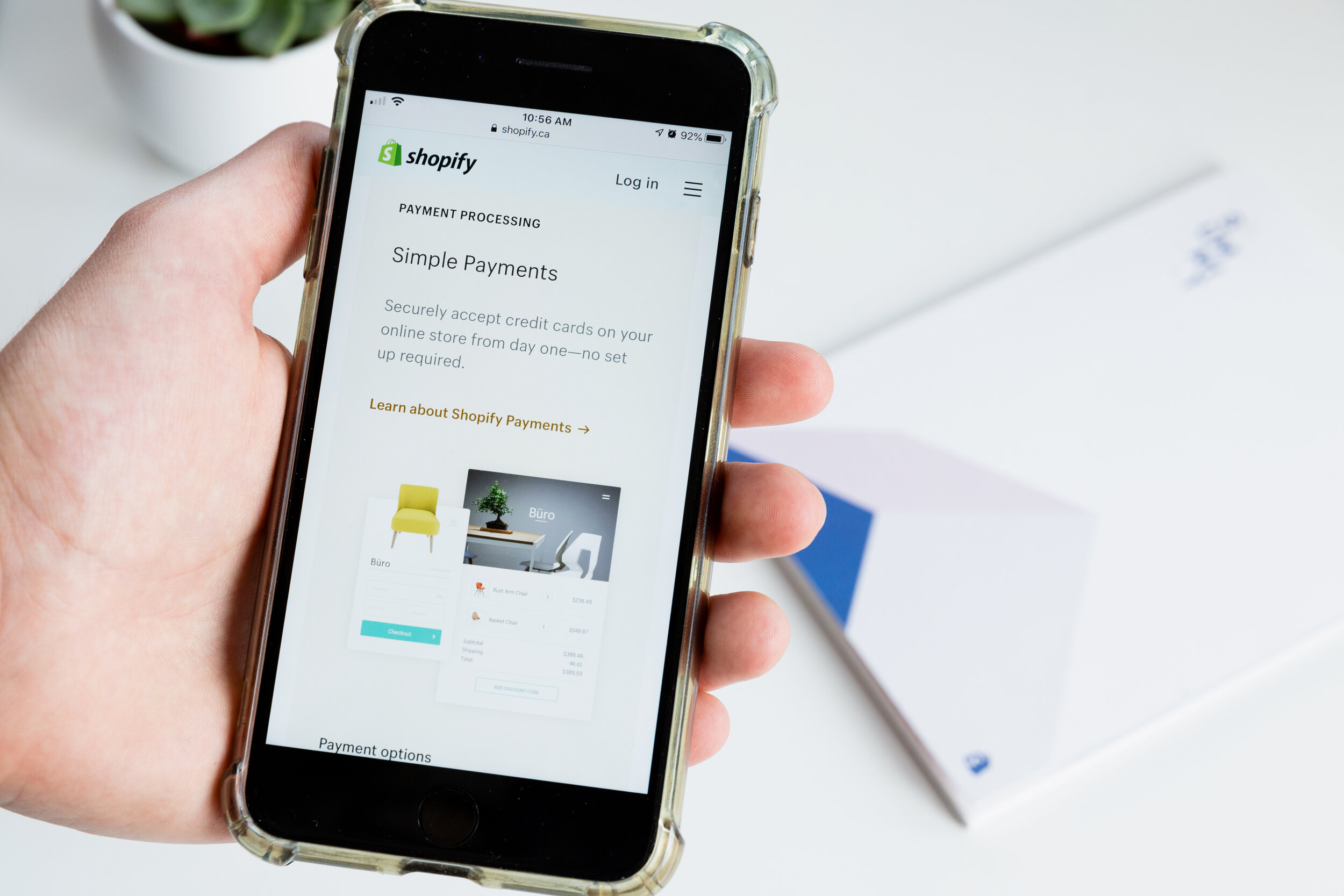
2. Shopify Payments

  • Possibly the most used, worldwide currently


Established Businesses

  1. Braintree

  2. PayU

  3. Amazon Payments

  4. Authorize.net

  5. PayPal

  6. Skrill

  7. 2Checkout

  8. Stripe

  9. Orangepay

  10. BlueSnap


The online retail world in a shopper’s perspective just looks like browsing on a website, adding items to your cart, adding your payment information, and checking out. However, it is much more than that, and the software behind making online payments so easy has many components that help everything run so smoothly. Especially if online retailers want to keep their customers satisfied with maximum efficiency.

If you would like assistance with choosing the best payment gateway for your online business, please don’t hesitate to reach out.


Pixel Problems and How to Fix Them

Have you ever just been working away on your computer, but you realize something off about your computer screen? You notice a little dot on the display of your screen that looks like it shouldn’t be there. You can't help but stare at it for days on end and over time it starts to get on your nerves. There might be an issue with a pixel on your screen.

So what if you spot an odd pixel? Well this is a problem with the hardware that’s showcasing what we like to call, stuck and dead pixels. This can be incredibly annoying especially thinking about how long a repair or exchange might take. But wait one second! Before you run back to the store trying to return your item, you could in fact try and fix the pixel yourself.

Understanding How Pixels Work

Stuck pixels exhibit a mix of red, blue, and green colours which are dependent on the contents of your computer screen. There’s a number of reasons why a pixel might get stuck, this includes overuse of the screen or long bouts of intense colours on-screen.

You will realize when a pixel gets stuck because it’ll display one colour that may alter slightly while the pixels surrounding it function normally by changing colour. In regards to dead pixels, the pixel appears black and will never change colour. There’s a possibility that the pixel isn’t receiving power at all hence why they’re called “dead”.

Pixels aren’t supposed to get stuck or die over time, flaws in manufacturing are often the root cause of this issue. You might be able to fix the issue if it’s a coloured pixel, but if you see a black pixel, your chances are slim to none.

Here’s a few solutions that could help fix a stuck pixel!

Pixel Repair Methods

Firstly, by using full-screen mode on your computer, you can easily run your monitor across a variety of different colour palettes. This can be done through different standard colours, as well as black or white.

This method can help you identify dead or stuck pixels. The stuck pixel would constantly be asked to change colours, which could potentially result in it becoming unstuck. This method can help you identify dead or stuck pixels.

Let’s take a look at a few software programs that should do the trick.

  1. JScreenFix – it’s a free, online app that can fix stuck pixels with no downloads required. At the bottom of the page, click the Launch JScreenFix button and follow the instructions. Most of the time, it’ll correct those annoying spots on your screen.

  2. UndeadPixel (UDPixel)– it’s a tool on Windows with a built-in stuck pixel locator that cycles colours on your screen.

  3. LCD – it’s a tool that you can access online, however, the website requires you to have Adobe Flash. You’ll have the capability to test your screen by going through all the colours. Click the ‘Fix My Screen’ button if you discover a stuck pixel.

If all these approaches don’t seem to work, at least you’ll be aware that it’s not a simple fix. Your screen may indeed need to be replaced. If you’re interested in learning more, ISU Corp is always ready to help, contact us today!