

Business

2020 BREAKDOWN OF THE TOP 12 MOBILE APP DEVELOPMENT TRENDS

This year has been a year of change, and to help adapt, we have found comfort in our mobile devices. So, it is no surprise that the evolving mobile app development industry is bigger than ever.

The major downside to such a digital era, is keeping up with all of the ever-changing trends, not only externally, but internally within the development of apps.

As of today, the mobile environment has been fundamentally transforming business and operating models at a surprising rate. Supposedly, by 2021 the revenue of the mobile app market will be an estimated $693 billion.


Now here are the top 12 mobile app trends of 2020

1. Creating apps for foldables
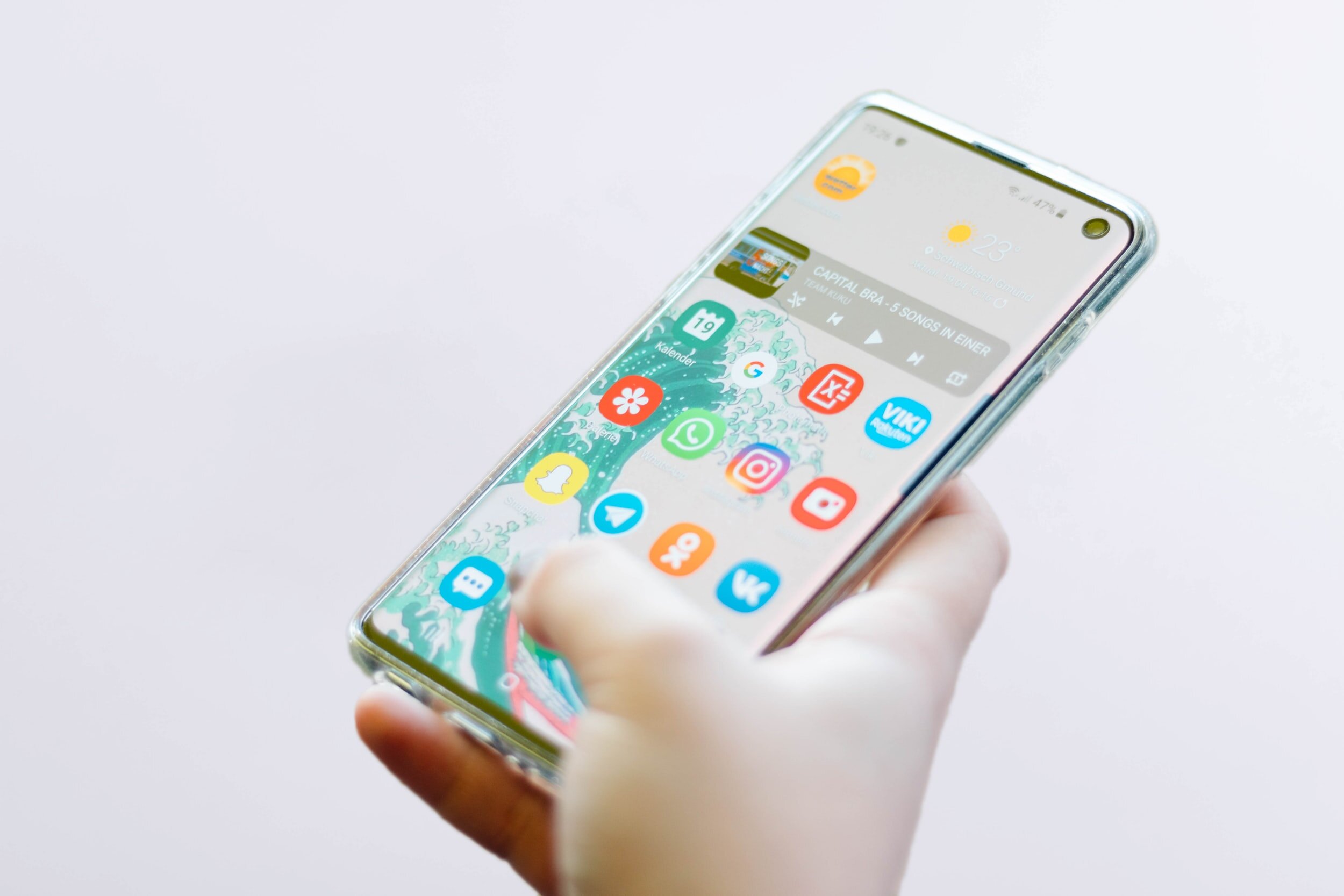
The inclusion of foldables in app development has sparked necessity with the new “foldable phones” from Samsung. They allow for a larger screen, which gives an immersive experience.


2. Machine Learning and Artificial Intelligence

With all trending ‘Face App’ that makes you look older or younger, it brought instant popularity to the techniques that come with Artificial Intelligence. The most popular AI and machine learning are the ones involving a virtual assistant like Siri, Cortana or Google Assistant.


3. The Rise of Chatbots

Having most things being virtual in 2020, the rise for online purchasing grew exponentially. Which meant customer service needed to be accessible somehow, this is what Chatbots were developed for. To help create a virtual customer relationship.


4. Wearable app integration
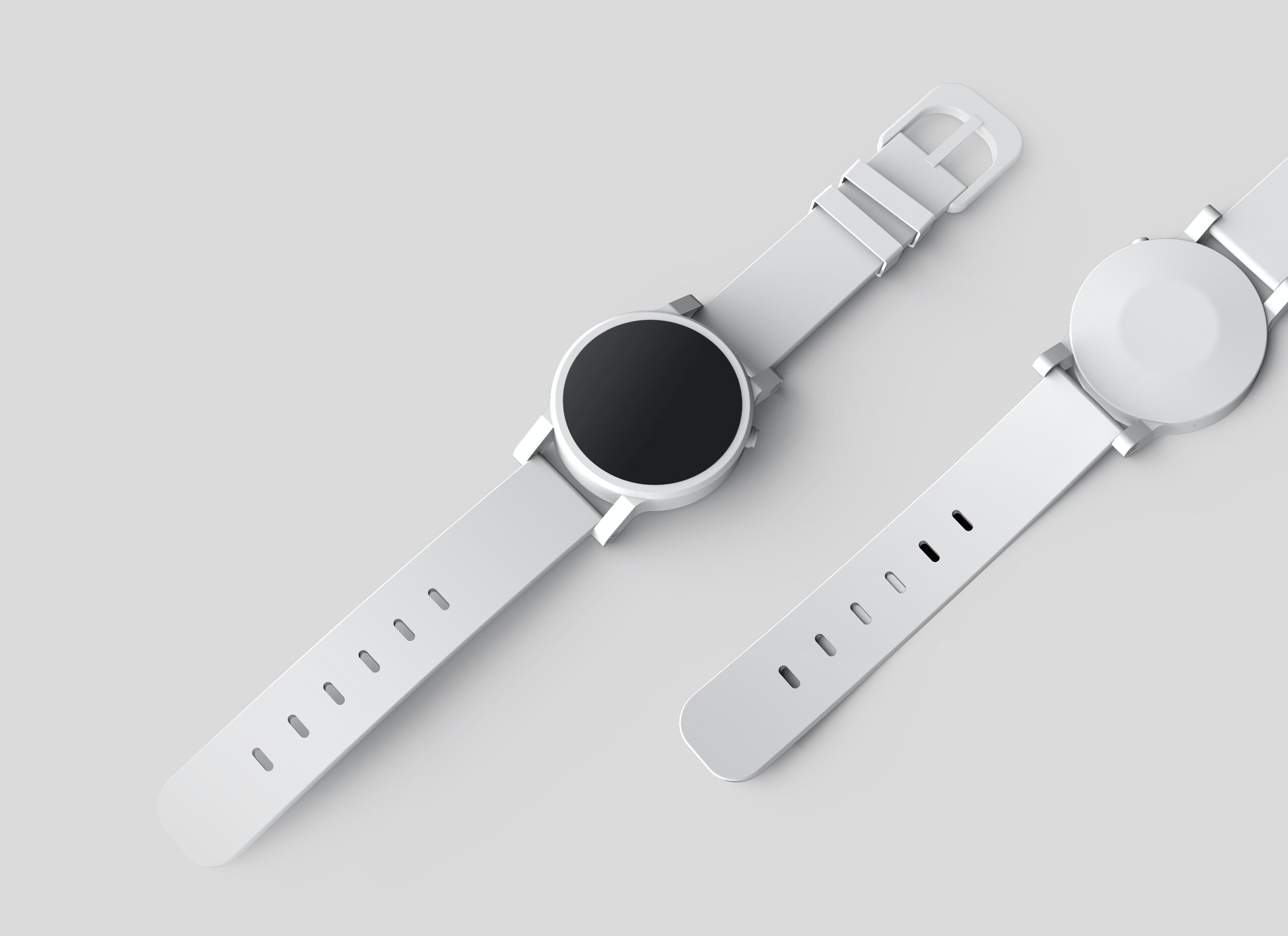
Beginning years ago, with pedometers that only counted your steps, to now having a plethora of smart watches to choose from, wearable technology is more popular than ever and continuing to grow around the globe. From 2017 to 2021 the number of connected wearable devices is expected to double.


5. IoT-Enabled mobile apps
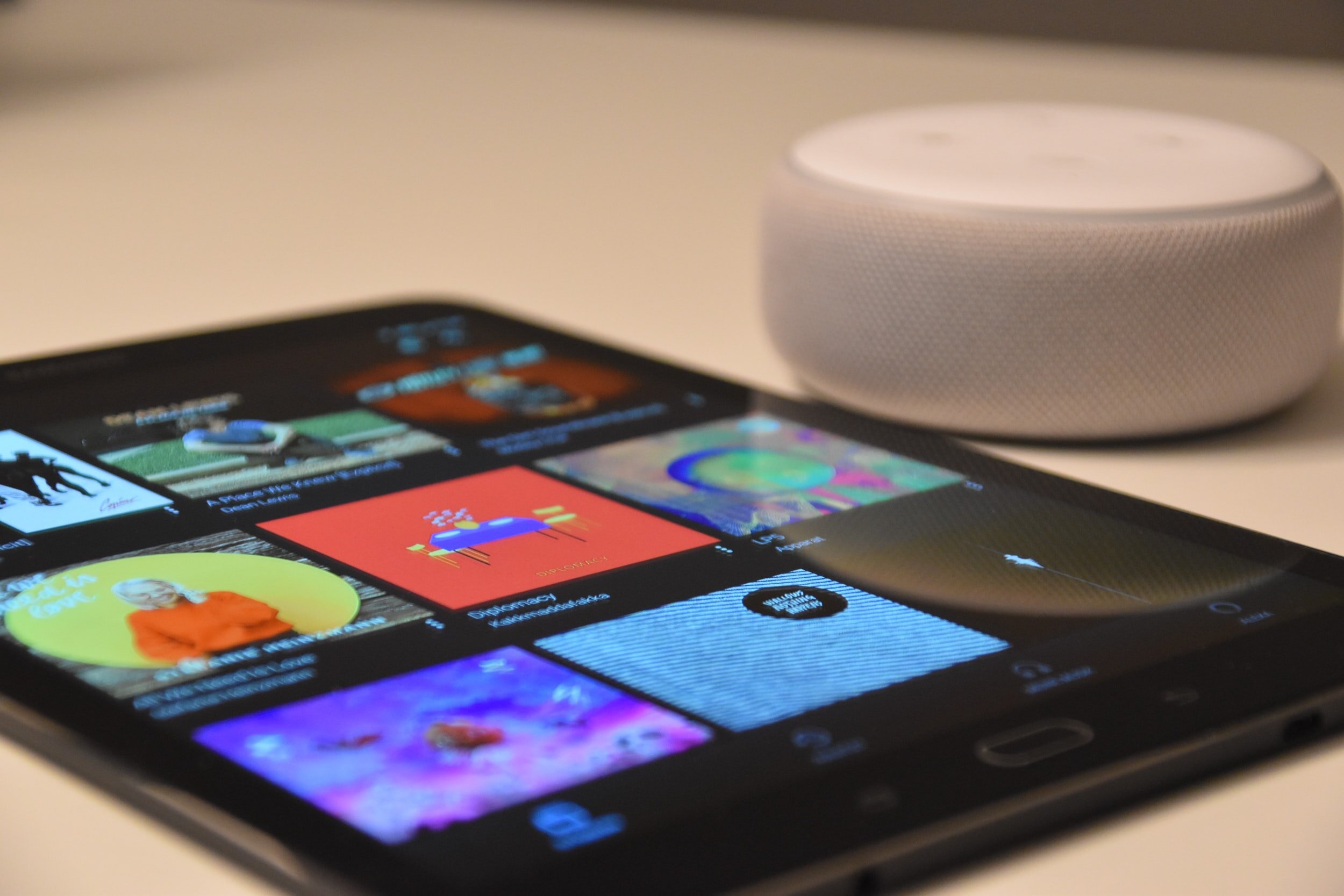
Known as an interconnected set of smart gadgets often referred to as the Internet of things. Most commonly we know this technology being used in the Amazon Echo Dot / Alexa line up, or the Google Home line up. The Internet of Things devices is what makes your home a smart home.


6. Augmented reality (AR) and Virtual Reality (VR)

Most commonly known for ‘Pokémon GO’ the augmented reality app that got Pokémon fans up and moving. Nowadays, Augmented Reality and Virtual Reality have been integrated into many programs and softwares like Google Maps and Snapchat.

AR integration is one of the most essential mobile app trends of 2020, because it is what is shaping the mobile industry to what it is today.


7. Mobile Wallets

Living through a pandemic has made contactless payments favoured greatly. Also, in general not having to carry a normal wallet and just your phone makes going out that much more convenient.

The most popular brands for mobile wallets are Apple Pay, Google Wallet, and Samsung Pay.


8. Mobile App Security

With having your credit card information on your mobile device makes for the need to have a good security system for your device. Moreover, from that, companies started buckling down on their security when Uber came out of the metaphorical closet from accepting a hacking scandal. This forced several businesses to invest more in cybersecurity.


9. Beacons Technology

Utilizing Beacon’s technology in 2020 will make your presence in the app world even more powerful. Integrating notifications from Beacon are becoming increasingly more popular for businesses and industries to connect with their customers.

This technology also helps with creating virtual tours that are more personalized.


10. Instant Apps
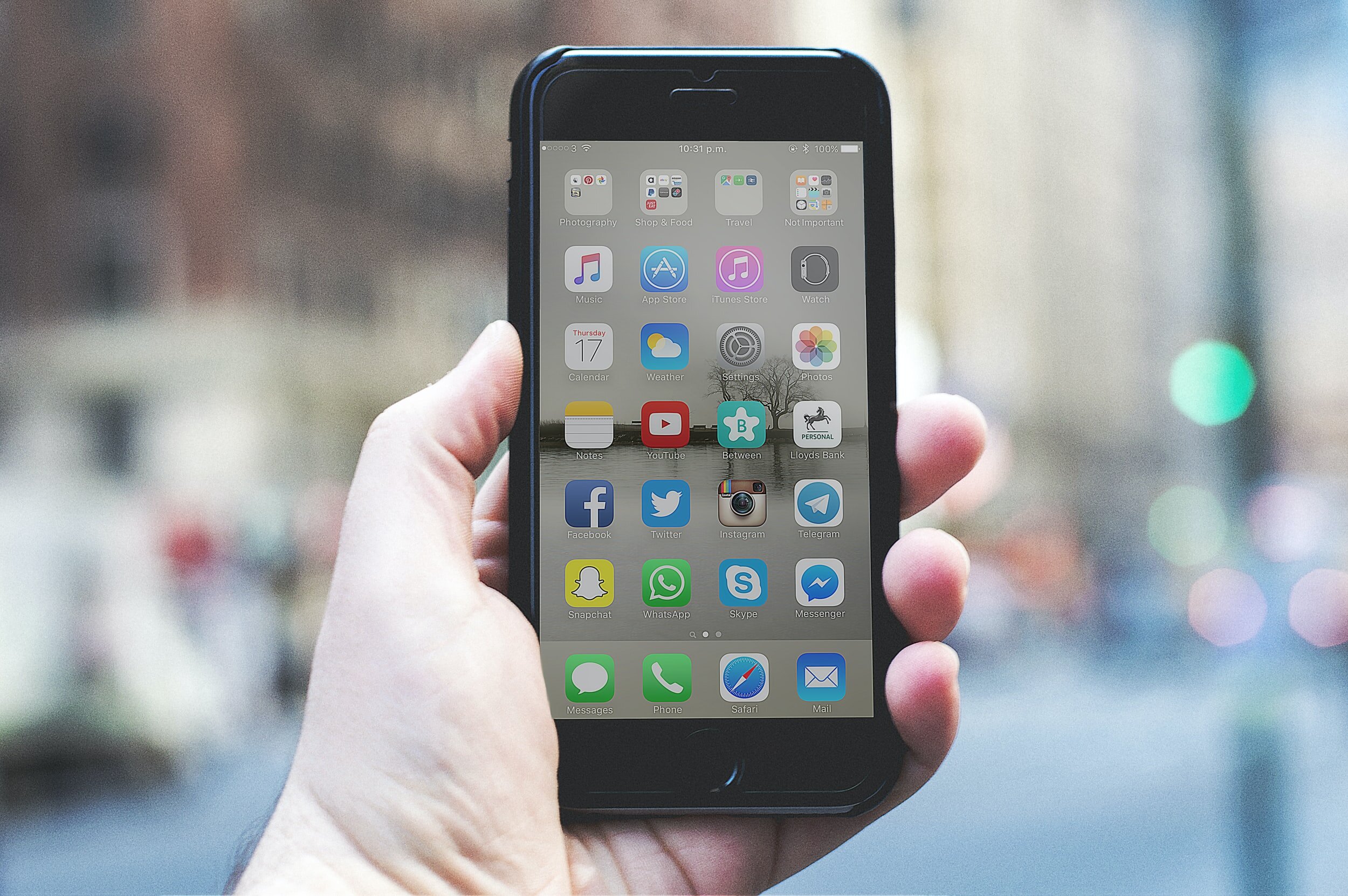
As it states in the title, it’s an app that can be used immediately without having to download anything. They have not just grown in popularity from users but both IOS and ANDROID developers because they help with a better conversion rate as opposed to other mobile apps.


11. Plethora of On Demand Apps

Uber was one of the very first companies to offer demand-based pricing, which improved the User Experience for so many other apps. From ride-sharing to food, healthcare and travel.

As of currently approximately 42% of the adult population use a minimum of one on-demand service.


12. Cloud Storage development
Now, having all of these apps comes the need for storage. Cloud technology however is not just used for storage as it plays a crucial role in instant Android apps. As well as iOS devices for some apps.

Integrating cloud computing assists mobile apps with storing large amounts of information and data efficiently, and cost effectively.

Common cloud apps we know include: Twitter, PayPal, Dropbox, Google Drive, and more.


To conclude, there are a ton of apps out there, as well as app trends and sometimes it can be hard to keep up with this ever-changing market. We hope this list of the top 2020 trends helps you understand what’s best, but if you need help, reach out to one of our experts at ISU Corp!




TOP 5 REASONS PYTHON IS BETTER THAN PHP

Today we are constantly surrounded by technology. This year more than ever, because companies have relied on these means for communication. More often than not, this amount of technology can sometimes be overwhelming. 

When we think about technology and software, we tend to only consider iOS, is it Android, is it Microsoft, Google? While thinking about what operating systems is important, there’s much more behind the technology. Especially when thinking about the server languages.

The two most common server-side languages that businesses prefer are Python and PHP, but deciding Python over PHP or PHP over Python is a much more difficult decision.

While there are a huge number of websites programmed with PHP, Python has seen a large uprising within the last two years.

Python has been around for over 30 years. There are many publications about Python vs. PHP, but they are mostly written by prejudice programmers that focus on the stress of Python drawbacks. Which also questions the feasibility of its application in the product development and IT services.

If you are a CEO or CIO, it’s likely you’ve thought about if Python development is the right fit for your project.


Here are a few questions you can ask yourself:

Is the python situation really so bad? – if it is how and why is Python still the leading and projected head of web development world in the coming year? And why is it the choice of market leaders like Netflix, Facebook, YouTube, and Spotify?


So, how has Python been doing?

Well, according to statistics despite the fact that PHP exceeds the grand total of websites developed until February 2020, the websites that dropped PHP as a result of their development language have been just over 50,000.

PHP most definitely used to rule; however, Python now offers itself as a better alternative.

In just one year between 2016 and 2017, Python has grown in the US and UK market by a steady 27%, which is significantly higher than what PHP has grown.

Regardless, choosing one language of the Python vs. PHP battle, Python is definitely the better choice.


Now here are the top 5 close comparisons between Python and PHP

1. Speed to Market

In the current very digital world, businesses and consumers tend to have the attention span of a peanut, making it extremely crucial that there is the technology for efficiency. Which is exactly the goal of Python.


The official website even states, “powerful… and fast…”


2. Security

With everything being online, it sparks the concern and brings up questions like; “Is my information safe? Is my software safe? 

When using Python, security is an important factor to the web development process. Python is the best choice for cybersecurity professionals and backend assistance. PHP, however, does not have as great a history with security.


3. Performance

Again, with everyone having the attention span of a peanut, it really does impact software development, especially when thinking about Application/Website speed and performance.

As previously mentioned, Python is fast and powerful. It’s component “just in time” makes it faster than its competitor, PHP.

Just in Time, efficiently compiles files and once it’s done it doesn’t need to be recompiled.


4. Versatility

Nowadays, websites and applications should not be restricted to one area of expertise, and they should have the ability to adapt to different mediums. Python is a good way to implement adaptability. Especially when paired with the Michelangelo Efficiency product.


5. Scalability

Implementing scalability helps your products succeed and business grow. Apps that are built with the Python Framework provide high end AI and ML capabilities, which in result helps with high scalability and easy adaptability to new trends.

A good example of why Python is preferred over PHP when thinking about scalability is with Instagram, and their concept for simplicity and practicality. 

PHP is not open minded to new trends of demands, even though it is improving constantly, which makes them lag behind Python.


Ultimately, both PHP and Python have their pros and cons. PHP has been tried and true for years in web development, but is certainly being taken over by Python because it is more secure, versatile, and flexible. If you’re still confused which one to use, reach out to one of our experts at ISU Corp!


The Best Navigation App: Apple Maps vs. Google Maps

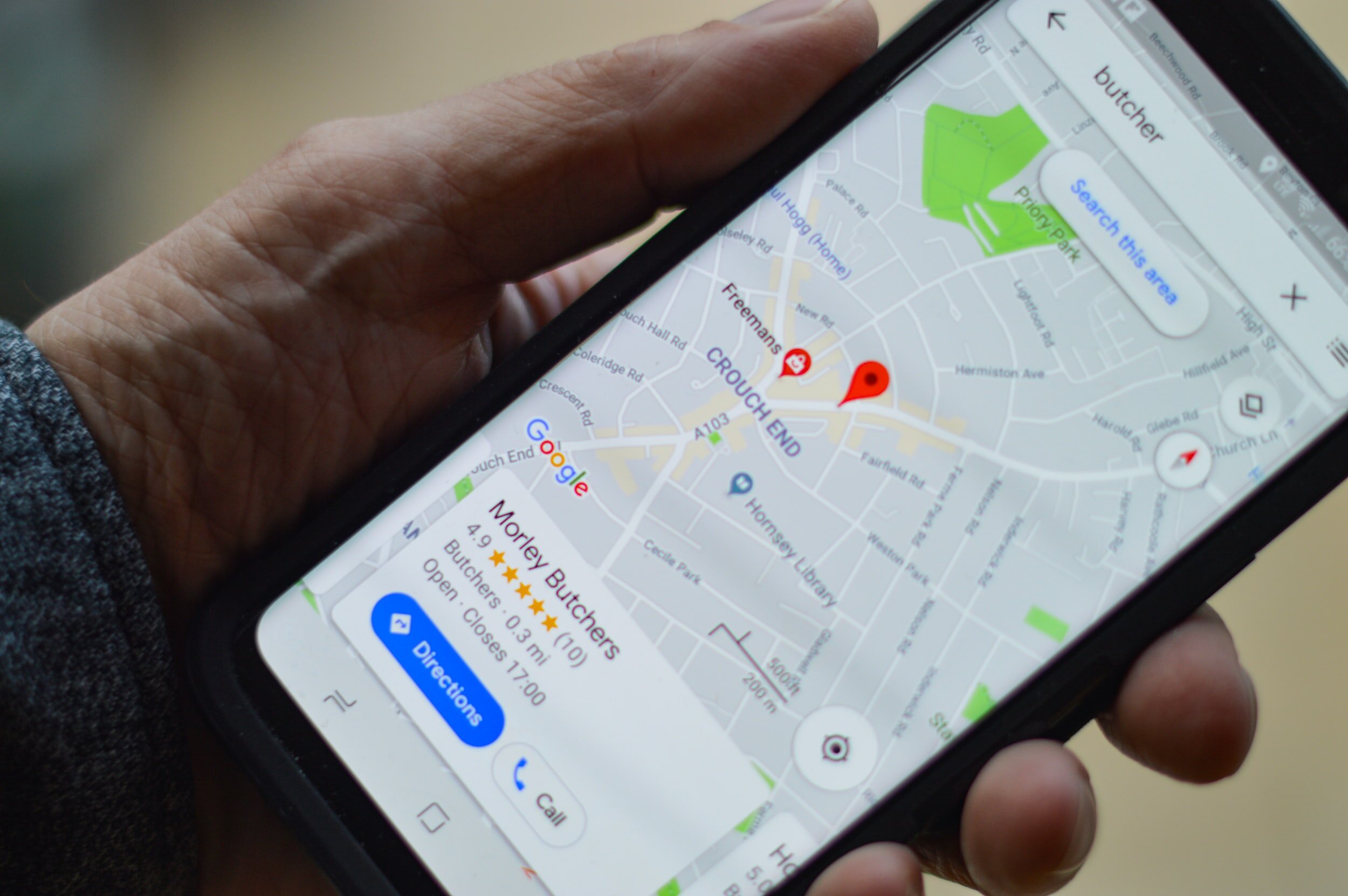
Nowadays smartphones have become the primary tool for navigating and searching the web. The online mapping services sector has been intensely competitive with unexpected monetization methods. Google is the strong market leader, but Apple is increasingly clipping their heels.

The Market Leader But Not The Pioneer 

MapQuest was a household name in 2000, soon after being purchased by AOL. It was a verb, people were “MapQuesting” instructions and a travel guide to their destination was printed to better assist. Launched in 2005 and 2008, Google Maps, the current industry leader, proceeded to rapidly replace MapQuest as the number one web mapping tool. In order to replace the Google Maps app on all iOS smartphones, Apple Maps released in 2012 with iOS 6 and is now Siri’s native built-in navigation with activated visual assistance. 


Newest Features

A variety of new features have been introduced by Google, continually upping the ante of current functional mapping technology and seeking ways to combine their large division of Artificial Intelligence and Virtual Reality. Walking instructions combined with virtual reality are among the most inspired new Google Maps features now being carried out. Google Maps compares the view from your camera to Google Street View when you keep your phone open, then directs you in your chosen direction. While this feature has been confirmed as in the works, it has yet to confirm its launch date. 


Conversely, the newest update announcement from Apple Maps is a beta of maps embedded in your browser. Apple eventually catches up to the baseline functionality, at least with touch screen accessibility, including pinching to zoom, flipping the direction of the globe with two fingers, and the option to display the map in the street view or satellite mode, one of the earliest features available from Google Maps. 


Apple has built in a few fun gimmicks, such as Big Ben showing the current time in Flyover mode, which might provide a fun glimpse into how immersive these mapping characteristics could get over the next little bit. A ground-breaking implementation, introduced in 2007 around several cities in the USA, Google Street View has since extended to cover cities and rural areas worldwide. The Traffic Prediction function is perhaps one of Google’s best implementations: using the cellular data of drivers, it can forecast the flow of traffic based on the number of signals and how fast they travel in a location. 


Who Wins? 

Although Apple has been creeping up on the web mapping industry’s stronghold of Google Maps, they are still only sitting at around 25 percent of the market share of smartphones, although Google is at a solid 50 percent. Ultimately, Google Maps has become a household name and plans to remain that way for the first to market style of delivery for the Mobile boom. Over the past 4 years, Apple Maps have significantly expanded their market share, mainly related to the popularity of the iPhone, but Apple Maps have a long way to go before they lead the way through creativity, and not just holding on to Google Maps’ coattails. 

If you are interested in learning more, contact us today!