




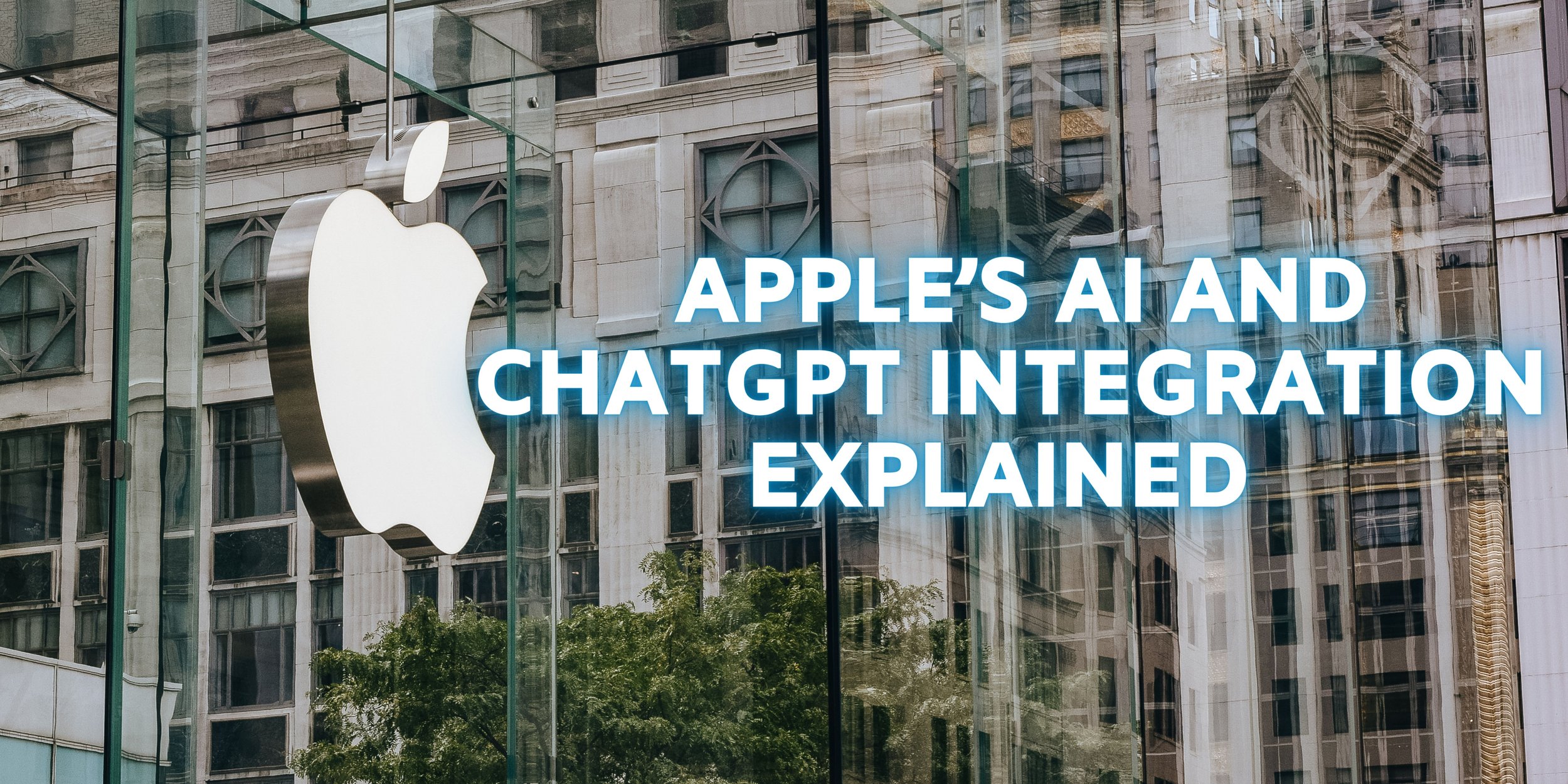
Apple’s AI and ChatGPT integration Explained

Introduction

During the WWDC 2024, Apple made waves with its announcement of a strategic partnership with OpenAI, marking a pivotal moment in the tech industry. This collaboration sees Apple integrating OpenAI's advanced AI capabilities, particularly through ChatGPT, across its iOS, iPadOS, and macOS platforms. This move is set to revolutionize user experiences by empowering Siri with enhanced intelligence, enabling it to offer nuanced responses and perform tasks such as generating content and creating images. Beyond its immediate impact on Apple's product ecosystem, the partnership holds significant implications for OpenAI, expanding its reach to millions of Apple users worldwide. Moreover, in the broader AI market, this integration signals intensified competition and sets new benchmarks for AI-powered applications across various tech domains. As both companies embark on this innovative journey, the integration not only enhances user engagement but also highlights the transformative potential of AI in shaping future technological field.


Section 1: Overview of the Partnership

On June 10, 2024, Apple made a monumental announcement during its highly anticipated annual Worldwide Developers Conference (WWDC). This event, which serves as a global platform for Apple's latest innovations, featured a significant highlight, a new partnership with OpenAI. Craig Federighi, Apple’s Senior Vice President of Software Engineering, took the stage to unveil this groundbreaking collaboration, marking a significant milestone in the tech industry.

This partnership focuses on integrating OpenAI’s advanced AI capabilities, particularly ChatGPT, across Apple’s major operating systems—iOS, iPadOS, and macOS. This means that users of iPhones, iPads, and Macs will soon experience enhanced functionalities powered by ChatGPT. These enhancements are designed to elevate user interactions, providing more sophisticated and intuitive responses, automating complex tasks, and enhancing productivity through advanced AI-driven tools.

The integration scope is extensive, encompassing system-wide updates that will bring AI-assisted features directly into the core of Apple’s ecosystem. From enhancing Siri’s capabilities to providing powerful writing tools and image generation features, this partnership aims to seamlessly blend cutting-edge AI technology with Apple’s user-centric design. This collaboration is set to redefine how users interact with their Apple devices, making them more intelligent, responsive, and ultimately more helpful in everyday tasks.


Section 2: Key Features of the Apple and OpenAI Partnership

The partnership between Apple and OpenAI brings a suite of advanced features to Apple’s ecosystem, significantly enhancing user experience across iOS, iPadOS, and macOS. One of the most notable improvements is the enhancement of Siri’s capabilities. With the integration of ChatGPT, Siri is now able to provide more nuanced and sophisticated responses. This upgrade enables Siri to offer practical suggestions for meals, provide insightful home decorating tips, and generate comprehensive document summaries, making it a more versatile and helpful digital assistant.

In addition to enhancing Siri, this partnership introduces system-wide writing tools that leverage the power of AI to assist users in generating emails, documents, and creative projects. Whether you need to draft a professional email, compile a detailed report, or create engaging content, these tools offer substantial support. Moreover, one of the standout features is the ability to create custom bedtime stories tailored to children’s interests, showcasing the creative potential of AI in everyday life.

Another exciting feature is the image generation capability. Users can now create images in various styles to complement their writing and projects, enhancing both personal and professional presentations. This tool is particularly useful for creatives and professionals who need to visualize ideas quickly and effectively.

Privacy and control are at the forefront of this partnership. Apple has ensured that user requests are not logged by OpenAI, and IP addresses are obscured to protect user identities. Furthermore, explicit user permission is required for each request, giving users full control over their data and interactions with the AI.

Additionally, users can access basic functionalities of ChatGPT without the need for an account. This makes the advanced features of AI accessible to a broader audience. For those with existing ChatGPT subscriptions, additional paid features are available, providing an even richer set of tools and capabilities directly within Apple’s ecosystem.

This collaboration between Apple and OpenAI is designed to bring powerful, user-friendly AI enhancements to millions of devices, all while maintaining the high standards of privacy and user control that Apple is known for.


Section 3: Privacy-Centric Design

A foundational component of the Apple and OpenAI partnership is its strong emphasis on a privacy-centric design, ensuring that user data is protected with the highest standards. Apple has long been recognized for its commitment to privacy, and this collaboration extends that commitment into advanced AI.

User data protection is implemented through a multi-layered approach. Firstly, Apple ensures that user requests handled by ChatGPT are not logged by OpenAI, preventing any potential misuse or unauthorized access to personal information. Additionally, to further safeguard user privacy, IP addresses are obscured, ensuring that individual user identities remain anonymous during interactions with the AI.

Apple places great importance on user control over their data. Every interaction with ChatGPT requires explicit user permission, giving users the power to decide when and how their data is used. This level of transparency and user consent is designed to provide peace of mind, knowing that personal information is handled with the utmost care and respect.

Furthermore, Apple's privacy measures are deeply integrated into the system architecture. The use of advanced encryption technologies ensures that data remains secure both in transit and at rest. Apple’s private cloud compute infrastructure processes complex requests securely, maintaining a zero-trust model where even Apple engineers do not have access to the keys necessary to decrypt user data.

 

Section 4: Future AI Model Support

Apple's partnership with OpenAI is not only just a significant milestone, but it also represents just the beginning of Apple’s broader AI strategy. Looking ahead, Apple plans to support a diverse range of AI models, ensuring that users have access to the best AI solutions available. This commitment to multi-model support means that Apple is not exclusively tied to OpenAI; instead, it is poised to integrate other leading AI technologies as they emerge.

This forward-thinking approach has several important implications. Firstly, it allows Apple to remain flexible and adaptive in the rapidly evolving AI scope. By not being limited to a single AI provider, Apple can incorporate the most advanced and suitable AI models for different tasks and applications. This strategy ensures that Apple users benefit from cutting-edge innovations and improvements in AI technology.

Moreover, the non-exclusive nature of the partnership with OpenAI highlights Apple's commitment to providing the best possible solutions for its users. This approach fosters a competitive environment where multiple AI models can be evaluated and utilized based on their performance, reliability, and user feedback. As a result, users can expect continual enhancements and a wider array of features driven by the best AI technologies available.

Apple’s dedication to supporting various AI models also highlights its broader mission to enhance user experience through intelligent and intuitive technology. By integrating the most effective AI solutions, Apple aims to deliver personalized, efficient, and powerful tools that seamlessly integrate into users' daily lives.


Section 5: Impact on the AI Market

Apple’s partnership with OpenAI is set to significantly impact the broader AI market, intensifying competition with major players such as Google and Microsoft. This strategic move positions Apple as a powerful contender in the AI space, where these tech giants have already made substantial investments. As Apple integrates advanced AI capabilities into its ecosystem, it not only elevates its own offerings but also raises the bar for the entire industry.

One of the most notable implications of this partnership is the potential for accelerated innovation in AI-driven features. With Apple leveraging OpenAI's expertise, users can expect a rapid introduction of sophisticated AI functionalities that enhance productivity, creativity, and convenience. This collaboration could spur a wave of new AI applications and tools, driving the industry to innovate at a faster pace to keep up with the advancements introduced by Apple.

The dynamics of the tech market are likely to shift as a result of this partnership. Other tech giants, such as Google and Microsoft, may feel increased pressure to enhance their own AI capabilities and forge strategic alliances to maintain their competitive edge. This heightened competition could lead to a surge in research and development efforts, resulting in more advanced and user-friendly AI solutions across various platforms.

Furthermore, the presence of Apple in the advanced AI landscape could catalyze new business models and market strategies. Companies may explore more collaborative approaches, seek unique differentiators, or invest in niche AI applications to capture market share. The ripple effect of Apple's entry into the AI race highlights the dynamic and rapidly evolving nature of the technology sector.


Section 6: Expanded User Base and Innovation

The partnership between Apple and OpenAI is set to significantly expand OpenAI’s user base, introducing ChatGPT to millions of Apple users around the world. This collaboration allows OpenAI to showcase the capabilities of ChatGPT on a global scale, demonstrating its advanced AI functionalities within the seamless and user-friendly environment of Apple’s ecosystem.

By integrating ChatGPT across iOS, iPadOS, and macOS, Apple provides its vast user base with access to sophisticated AI tools that enhance everyday tasks. This expansion means that a broader audience will experience the benefits of AI-driven assistance, from nuanced Siri responses to advanced writing aids and creative image generation. The widespread use of ChatGPT within Apple’s devices will highlight the AI's versatility and its potential to transform how users interact with technology.

Moreover, the expanded user base is expected to generate valuable feedback, which will play a crucial role in driving future AI developments. As millions of users engage with ChatGPT, their experiences and insights will provide OpenAI and Apple with essential data to refine and enhance the AI's capabilities. This iterative feedback loop will enable continuous improvement, ensuring that the AI solutions evolve to meet users' needs more effectively.

The collaboration also underscores the significance of user-driven innovation. By listening to and incorporating user feedback, Apple and OpenAI can develop more intuitive and powerful AI features that resonate with a diverse audience. This approach not only fosters innovation but also ensures that the AI developments are aligned with user expectations and requirements.
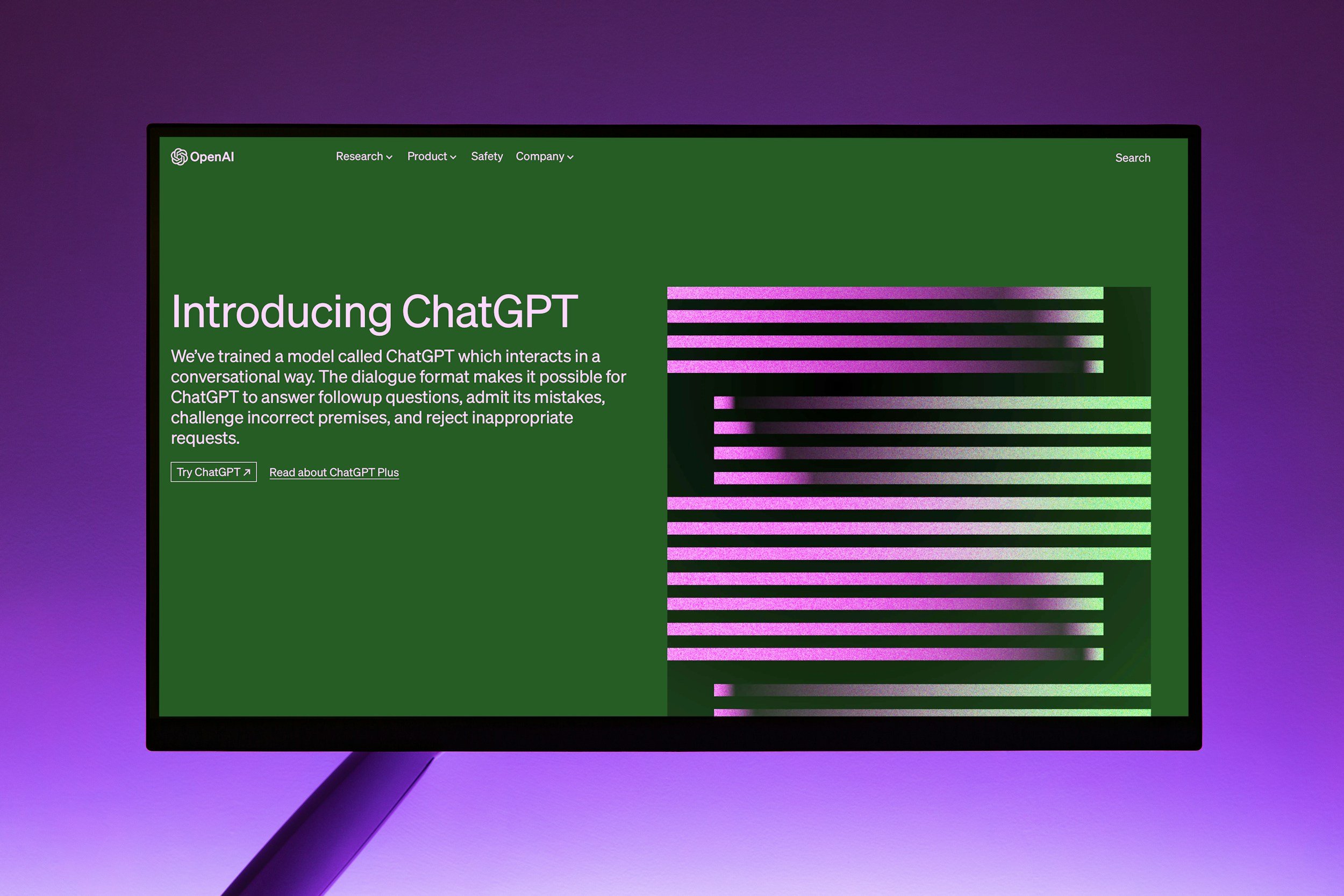
 

Section 7: Implications for ChatGPT and OpenAI

The integration of ChatGPT into Apple's ecosystem sheds light on the importance of maintaining the robustness and reliability of AI models. As ChatGPT becomes accessible to millions of Apple users, ensuring its consistent performance and accuracy becomes pivital. OpenAI must uphold the highest standards in AI development to meet the expectations of a diverse and global user base. This entails rigorous testing, continuous updates, and addressing any issues that arise promptly to maintain user confidence in the technology.

Privacy and trust are central to the Apple and OpenAI partnership. Both companies have emphasized their commitment to protecting user data, addressing privacy concerns that often accompany AI technologies. By ensuring that user requests are not logged by OpenAI and obscuring IP addresses, the partnership aims to provide users with control over their data. This focus on privacy is crucial for building and maintaining trust, especially in an era where data security is a significant concern for many users.

User feedback will play a vital role in improving AI offerings. As users interact with ChatGPT across Apple devices, their experiences and insights will provide valuable information for refining and enhancing the AI models. This feedback loop is essential for identifying areas of improvement and developing features that better meet user needs. OpenAI's ability to adapt and evolve based on user input will be key to the long-term success and relevance of ChatGPT.


Section 8: Leveraging Software Development Partnerships for Success

In the wake of Apple’s strategic partnership with OpenAI and the integration of advanced AI capabilities into its ecosystem, businesses stand to benefit significantly from engaging with a software development partner. These partnerships can serve as a pivotal resource in navigating and capitalizing on the transformative potential brought forth by this collaboration.

1.  Customized Solutions Alignment: Software development partners offer businesses the opportunity to tailor AI-driven solutions to their specific needs and workflows. With Apple integrating OpenAI's ChatGPT across iOS, iPadOS, and macOS, businesses can collaborate with development experts to customize these AI tools. This customization ensures that businesses can optimize operations, enhance productivity, and deliver superior customer experiences tailored to their unique requirements.


2. Accelerated Implementation and Adoption: Leveraging a software development partner accelerates the implementation of new AI functionalities into existing business frameworks. These partners bring specialized expertise in integrating complex technologies seamlessly. Whether deploying AI-enhanced customer service interfaces, automating internal processes, or developing innovative applications leveraging AI-generated content, businesses can expedite time-to-market and swiftly capitalize on competitive advantages.


3. Expert Guidance on AI Strategy: Navigating the evolving landscape of AI technologies requires strategic foresight and technical insight. Software development partners provide invaluable guidance in formulating and executing AI strategies aligned with business objectives. They help businesses identify the most suitable AI models, deploy scalable solutions, and evolve strategies based on emerging technological trends and market dynamics catalyzed by innovations like Apple and OpenAI’s collaboration.

4. Ensuring Compliance and Security: With heightened focus on data privacy and security, software development partners play a critical role in implementing robust measures. They ensure that AI applications comply with regulatory standards and integrate stringent security protocols to safeguard sensitive information. This proactive approach minimizes risks associated with data breaches and enhances user trust, aligning with Apple’s commitment to privacy in its AI-powered ecosystem.


5. Continuous Innovation and Support: Partnering with software development experts fosters a culture of continuous innovation. These partnerships facilitate ongoing updates, feature enhancements, and proactive maintenance of AI applications. Businesses benefit from access to cutting-edge advancements and iterative improvements that keep them ahead in a competitive market driven by technological innovation.


6. Optimized Resource Allocation: Outsourcing AI development to software partners optimizes resource allocation within businesses. It allows organizations to focus internal teams on core competencies and strategic initiatives, while external partners handle specialized AI development tasks. This streamlined approach maximizes operational efficiency, reduces overhead costs, and accelerates return on investment (ROI) from AI-driven initiatives.


In conclusion, collaborating with a software development partner empowers businesses to harness the transformative potential of AI technologies emerging from the Apple and OpenAI partnership. By leveraging external expertise, businesses can navigate complexities, accelerate innovation, and deliver tailored AI solutions that drive growth, enhance competitiveness, and meet evolving customer expectations in the digital age.


Conclusion

The partnership between Apple and OpenAI marks a monumental moment in advanced AI integration, as evidenced by their announcement at WWDC 2024. This collaboration signifies more than just technological integration; it represents a convergence of innovation, user-centric design, and a commitment to advancing AI capabilities while upholding stringent privacy standards.

By integrating OpenAI's ChatGPT across iOS, iPadOS, and macOS, Apple has positioned itself at the forefront of AI-driven user experiences. From enhancing Siri's responsiveness to empowering users with sophisticated writing tools and image generation capabilities, this partnership enriches Apple's ecosystem with intuitive AI functionalities that simplify tasks and foster creativity.

Beyond the immediate benefits to Apple's product offerings, the integration has profound implications for OpenAI, expanding its reach to millions of users globally and showcasing the versatility of ChatGPT on a global stage. This expanded user base not only fuels innovation but also drives continuous improvement through invaluable user feedback.

Moreover, the partnership sets new standards for privacy and data security in AI applications. Apple's robust privacy measures, including non-logging of user requests and stringent user consent protocols, underscore its commitment to protecting user data while harnessing the power of AI.

Looking ahead, Apple's plans to support a diverse range of AI models highlights its dedication to delivering the best AI solutions to users, ensuring adaptability and innovation in an ever-evolving technological landscape. This forward-thinking approach not only strengthens Apple's competitive edge but also stimulates industry-wide advancements in AI-driven technologies.

In conclusion, the integration of ChatGPT into Apple's ecosystem heralds a new era of intelligent computing, where AI enriches daily interactions and empowers users with unprecedented capabilities. As Apple continues to pioneer AI innovation, guided by user-centric principles and strategic partnerships, the future promises even more transformative advancements that will shape how we interact with technology in the years to come.

 

What are your thoughts on the Apple and OpenAI partnership? let us know in the comments below!

If you are looking for a trusted software development partner to help optimize your business ecosystem, or assist you with smart software solutions, feel free to contact us. We are a team of experts who can help you design and implement the best custom software solutions. 

Written by Natalia Duran

ISU Corp is an award-winning software development company, with over 17 years of experience in multiple industries, providing cost-effective custom software development, technology management, and IT outsourcing.

Our unique owners’ mindset reduces development costs and fast-tracks timelines. We help craft the specifications of your project based on your company's needs, to produce the best ROI. Find out why startups, all the way to Fortune 500 companies like General Electric, Heinz, and many others have trusted us with their projects. Contact us here.


17 Effective Strategies for Managing Remote Teams

Introduction

Remote work has swiftly transformed from a niche practice to a mainstream phenomenon, reshaping the landscape of modern work environments. Supported by advancements in technology and driven by shifting societal norms, remote work has become a viable option for many organizations and their employees. This shift brings with it both opportunities and challenges for managers tasked with overseeing remote teams.

Managing remote teams introduces a distinct set of challenges that differ from traditional office settings. The physical separation of team members can hinder communication, collaboration, and the establishment of a cohesive team culture. Without the benefit of face-to-face interactions, managers must navigate complexities such as ensuring clear communication, maintaining team cohesion, and supporting individual well-being from a distance. These challenges highlight the importance of adopting effective strategies tailored to remote work environments.

In this guide, we explore key strategies to help managers navigate and excel in remote team management. By understanding the unique dynamics of remote work and implementing proven strategies, managers can foster productivity, engagement, and a sense of belonging among remote team members.


1. Set Clear Expectations

Establish Ground Rules

Setting clear expectations is the true cornerstone of effective remote team management. It involves establishing well-defined ground rules that provide structure and clarity for the entire team. These ground rules should cover various aspects of remote work, ensuring everyone understands the guidelines and adheres to them consistently.

1.     Meetings: Schedule regular team meetings at times that accommodate all team members, considering their different time zones. Clearly define the purpose, agenda, and expected outcomes for each meeting to ensure they are productive and focused. Additionally, set expectations for attendance, punctuality, and participation to foster engagement and collaboration.


2.     Communication: Establish guidelines for communication protocols to avoid misunderstandings and ensure smooth information flow. Determine which channels to use for different types of communication. For instance, use email for formal announcements, Slack or Microsoft Teams for quick updates and casual conversations, and video conferencing tools like Zoom or Microsoft Teams for team meetings and one-on-one discussions.


3.     Workflows: Create standardized workflows that outline the steps and processes for completing tasks and projects. These workflows should include detailed instructions, timelines, and dependencies to ensure everyone understands their roles and responsibilities. Consider using project management tools like Asana, Trello, or Jira to streamline workflows, assign tasks, and track progress.

Communication Channels

Effective communication is also crucial for remote teams, as it helps maintain alignment, build trust, and foster collaboration. To achieve this, it is essential to define and optimize the use of various communication channels based on their specific purposes.

1.     Email: Use email for formal communications, such as company-wide announcements, policy updates, and important project-related information. Encourage team members to use clear and concise subject lines and provide detailed, well-organized content to ensure the message is easily understood.


2.     Instant Messaging: Leverage instant messaging platforms like Slack or Microsoft Teams for quick, informal communication and real-time collaboration. Create dedicated channels for different topics, projects, or departments to keep conversations organized and easy to navigate. Encourage the use of direct messages for private or sensitive discussions.


3.     Video Conferencing: Use video conferencing tools like Zoom, Microsoft Teams, or Google Meet for face-to-face interactions, team meetings, and one-on-one discussions. Video calls help bridge the gap of physical distance, allowing team members to connect on a more personal level, read non-verbal cues, and build stronger relationships.


4.     Project Management Tools: Implement project management tools to centralize task management, track progress, and facilitate collaboration. Platforms like Asana, Trello, or Jira allow team members to assign tasks, set deadlines, and share updates, ensuring everyone stays on the same page and can access relevant information easily.


5.     Documentation and Knowledge Sharing: Use cloud-based storage solutions like Google Drive, SharePoint, or Dropbox to store and share documents, files, and resources. Create a centralized knowledge base or wiki to document processes, guidelines, and best practices, making it easy for team members to find and reference information as needed.


By establishing clear expectations and defining the appropriate use of communication channels, you can create a structured and efficient remote work environment. This approach minimizes confusion, enhances collaboration, and ensures that all team members are aligned and working towards common goals.


2. Foster Accountability

Balancing autonomy with accountability is an integral aspect of managing remote teams effectively. In a remote work environment, providing employees with the freedom to manage their own schedules and workflows can lead to increased job satisfaction, creativity, and productivity. However, this autonomy must be balanced with clear mechanisms for accountability to ensure that business objectives are met, and team performance remains high.

To achieve this balance, it is essential to establish clear, measurable goals and expectations for each team member. These goals should be specific, achievable, and aligned with both individual career aspirations and overall company objectives. By setting clear expectations, employees understand what is required of them and can take ownership of their responsibilities. Regularly reviewing these goals in one-on-one meetings provides an opportunity to discuss progress, address any challenges, and make necessary adjustments.

Accountability can be further reinforced by implementing transparent tracking and reporting systems. Using project management tools like Asana, Trello, or Jira to assign tasks, set deadlines, and monitor progress in real-time. These tools not only help in tracking individual contributions but also foster a sense of shared responsibility within the team. Encouraging employees to update their task status regularly and share their accomplishments creates a culture of accountability and transparency.

Moreover, fostering a culture of accountability involves recognizing and rewarding both individual and team achievements. Regularly celebrate milestones, acknowledge hard work, and provide constructive feedback. This not only motivates employees but also reinforces the importance of meeting their responsibilities. Recognition can be as simple as a shout-out in a team meeting or as substantial as performance bonuses and career advancement opportunities.

Effective communication plays a crucial role in maintaining accountability. Encourage open dialogue where employees feel comfortable discussing their progress, challenges, and any obstacles they face. Create a supportive environment where team members can seek help and collaborate to overcome difficulties. Regular check-ins, whether through video calls or instant messaging, help maintain a connection and ensure that everyone is aligned and on track.


3. Provide the Right Tools

Equipping your remote team with the right tools is vital to your team’s success and overall productivity. The foundation of an effective remote work setup begins with providing essential hardware. Every team member needs a reliable computer that matches the demands of their role, ensuring that they can perform tasks efficiently without technical hindrances. This might mean high-performance machines for graphic designers or developers and powerful yet portable laptops for those frequently on the move.

Beyond hardware, investing in robust software solutions is crucial. Project management tools like Asana, Trello, or Jira streamline task allocation and tracking, allowing team members to stay organized and on top of their responsibilities. Collaboration platforms such as Slack, Microsoft Teams, and Zoom facilitate seamless communication, helping to bridge the gap created by physical distance. Additionally, tools like Google Drive or Dropbox ensure that all team members can access, share, and collaborate on documents in real-time, fostering a unified work environment despite geographical separation.

However, merely providing these tools is not enough. It is equally important to ensure that all team members are proficient in using them. Conducting comprehensive training sessions is vital to maximize the effectiveness of these tools. Initial onboarding should include thorough tutorials and hands-on practice, but continuous learning should also be encouraged. Offer periodic refresher courses and advanced training workshops to keep everyone updated on new features and best practices.

Creating a bank of training materials, such as video tutorials, FAQs, and user manuals, can serve as a valuable resource for ongoing learning. Encourage team members to explore these resources and share tips and tricks with each other, fostering a culture of continuous improvement. Moreover, appointing tool champions or super users within the team who can provide peer support and troubleshoot common issues can further enhance tool adoption and usage.


Leverage a Software Partner

To maximize the benefits of these tools, consider partnering with a specialized software provider. A software partner can offer tailored solutions that cater to the unique needs of your remote team. They provide expertise in selecting the right combination of tools and ensuring their seamless integration into your existing workflows.

A software partner can also offer customized training sessions for your team, ensuring that everyone is proficient in using the tools effectively. This training can cover best practices, tips for maximizing productivity, and troubleshooting common issues. By enhancing your team's proficiency, you can reduce the learning curve and increase overall efficiency.

Moreover, a software partner can provide ongoing support and updates, keeping your tools current and addressing any technical issues that arise. This proactive approach minimizes downtime and ensures that your team can focus on their work without being hindered by technical difficulties.


4. Embrace Overcommunication

In remote work, the idea of "overcommunicate" is very important. Regular and clear communication is the key to keeping a remote team connected and working well together. To make sure everyone stays aligned and informed, frequent updates on projects and company changes are essential. This practice removes confusion, makes everyone feel included, and helps prevent misunderstandings. Setting up a routine of consistent updates, whether through daily briefings, weekly summaries, or bi-weekly newsletters, keeps everyone informed and reduces the feeling of isolation often experienced in remote work.

Virtual meetings are essential for maintaining clear communication in a remote team. Scheduling weekly virtual meetings gives the team a set time to sync up, share progress, discuss any issues, and realign priorities. These meetings should be structured but also flexible, allowing for both formal updates and casual interactions. Including round-robin sessions where each team member shares their current tasks and recent achievements can create a sense of accountability and visibility. Additionally, using these meetings to highlight company developments or changes in strategy helps remote employees feel connected to the larger organization.

However, embracing overcommunication is not just about how often you communicate, but also about how clear and effective your communication is. Using different channels for different types of messages improves communication. For example, detailed project updates are best shared through comprehensive emails or project management tools like Asana. Quick check-ins and casual interactions work well on platforms like Slack or Microsoft Teams. Video calls are useful for formal meetings and are invaluable for more detailed discussions where tone and body language are important.

To innovate further, consider using asynchronous communication. This approach lets team members in different time zones engage with updates and contribute to discussions when it's convenient for them, ensuring no one is left out due to time differences. Tools like Loom for video messages or collaborative documents in Google Docs can help with this type of interaction.


5. Respect Time Zones

Respecting time zones is crucial in remote team management to ensure fair participation and productivity across global teams. When scheduling meetings, it's essential to consider the geographical spread of your team members. This involves finding time slots that accommodate different time zones, avoiding early morning or late-night meetings whenever possible. Tools like World Time Buddy can assist in identifying overlapping work hours among team members in different regions.

Additionally, timed communication plays a significant role in respecting work-life balance. Using email and messaging scheduling features allows you to send messages during your team's working hours, reducing the likelihood of interrupting their personal time. This practice helps maintain boundaries between work and personal life, fostering a healthier and more productive remote work environment. By implementing these strategies, you not only enhance team collaboration but also demonstrate respect for the diverse schedules and lifestyles of your remote employees.


6. Focus on Outcomes, Not Hours

In managing remote teams, it's crucial to prioritize outcomes over the number of hours logged. This approach, known as results-oriented management, emphasizes the importance of achieving goals and delivering quality work rather than focusing strictly on the time spent online. By shifting this mindset, managers empower their team members to take ownership of their work and outcomes. Instead of micromanaging daily activities or requiring employees to be constantly available during specific hours, the focus remains on the end results.

Encouraging independence is another key aspect of this approach. Remote work allows employees to structure their day in a way that suits their productivity rhythms and personal responsibilities. By setting clear expectations and milestones, managers can provide the framework within which team members can thrive independently. This not only boosts morale but also cultivates a culture of trust and accountability within the team.

By embracing a results-oriented approach and avoiding micromanagement, remote teams are more likely to stay motivated, productive, and engaged. It allows for flexibility in how work is completed, accommodating different working styles and schedules while ensuring that the team collectively achieves its objectives. This shift in focus encourages innovation and creativity, driving both individual and organizational success in a remote work environment.


7. Allow Flexibility

When managing remote teams, embracing flexibility can significantly enhance both productivity and employee satisfaction. One of the key advantages of remote work is the ability to offer flexible scheduling. Allowing team members to adjust their work hours to fit their personal lives not only acknowledges their diverse needs but also promotes a sense of autonomy and trust. This flexibility enables employees to attend to personal commitments, such as childcare, errands, or other responsibilities, without compromising their professional duties.

Moreover, promoting work-life balance is essential for sustaining long-term productivity and well-being within remote teams. Encouraging practices that support a healthy balance between work and personal life fosters happier and more motivated employees. Managers can facilitate this by setting clear boundaries and expectations around work hours and response times. By respecting these boundaries and promoting self-care practices, such as taking breaks and unplugging after work, managers contribute to a more sustainable and resilient workforce.

Ultimately, by allowing flexibility and nurturing work-life balance, remote teams can thrive in a supportive and adaptable environment. This approach not only enhances job satisfaction and retention but also promotes a culture of respect and understanding among team members. Embracing these practices demonstrates a commitment to employee well-being and contributes to overall team effectiveness in a remote work setting.


8. Encourage Regular Team Interactions

In remote work, fostering regular team interactions is crucial for maintaining structure and morale among distributed teams. One effective way to achieve this is through weekly virtual meetings. These scheduled gatherings provide a dedicated time for team members to come together, discuss ongoing projects, share updates, and address any challenges or roadblocks collectively. Beyond just task-related discussions, these meetings serve as opportunities for team bonding, allowing members to connect on a personal level despite physical distance.

In addition to formal meetings, integrating social activities into the team's routine can further strengthen relationships and foster a positive team culture. These activities can range from virtual coffee breaks and informal chats to more structured team-building exercises like online games or collaborative projects. Such initiatives not only break the monotony of work but also promote friendship and collaboration among team members. By encouraging these regular interactions, managers not only boost team spirit but also enhance productivity and satisfaction among remote employees.

Creating a balance between structured meetings and informal social engagements ensures that remote teams feel connected and supported, leading to improved communication, teamwork, and overall performance. Embracing these practices underscores a manager's commitment to nurturing a cohesive and engaged remote team environment where every member feels valued and motivated.


9. Document Processes

Documenting processes is a cornerstone of effective remote team management, ensuring consistency, clarity, and smooth operations across distributed work environments. By creating comprehensive guides and documentation, teams establish clear standards and procedures for completing tasks and handling projects. These documents serve as valuable resources not only for current team members but also for onboarding new hires. New employees can refer to these guides to quickly get up to speed with team workflows and expectations, reducing the learning curve and enhancing their integration into the team.

The benefits of documenting processes extend beyond initial training phases. They provide a reference point for team members to troubleshoot issues, streamline collaboration, and maintain productivity. Whether it's outlining step-by-step procedures for using specific software tools, managing project timelines, or handling customer inquiries, having documented processes ensures that everyone operates from the same playbook. This consistency fosters efficiency and minimizes errors, particularly important in remote settings where face-to-face clarifications may not always be possible.

Moreover, documented processes support continuous improvement efforts within the team. Teams can regularly review and update these documents to reflect evolving best practices, technological advancements, or changes in organizational strategies. This proactive approach not only keeps the team agile but also reinforces a culture of learning and adaptation. Ultimately, well-documented processes contribute to a cohesive remote team environment where everyone understands their role, responsibilities, and how their contributions align with broader team and company objectives.


10. Refine Workflows

Refining workflows is essential for optimizing productivity and maintaining efficiency in remote team environments. One effective strategy is implementing workflow automation, which involves using software tools to automate repetitive tasks and processes. By automating routine activities such as data entry, file transfers, or task assignments, teams can save valuable time and reduce the risk of human error. This allows team members to focus their energy on more complex and strategic aspects of their work, ultimately driving productivity and innovation within the team.

Additionally, leveraging project management tools plays a crucial role in refining your workflows. Platforms like Asana, Trello, or Monday.com enable teams to centralize project information, assign tasks, track progress, and facilitate seamless communication among team members. These tools provide transparency and accountability by outlining project timelines, milestones, and responsibilities in a clear and accessible manner. Team members can collaborate more effectively, share updates, and stay aligned on project goals, even when working from different locations or time zones.

Furthermore, integrating workflow automation with project management tools enhances efficiency across the entire project lifecycle. Automation can trigger notifications, updates, or reminders based on predefined rules, ensuring timely actions and reducing bottlenecks. This synchronized approach fosters a smooth workflow where tasks move seamlessly from initiation to completion, enhancing team collaboration and accelerating project delivery.


11. Promote Social Interaction

Encouraging social interaction among remote teams is crucial for building strong relationships and fostering a cohesive work culture. In virtual work environments, where face-to-face interactions are limited, creating opportunities for informal conversations and structured team-building activities is essential. Establishing platforms or designated times for team members to engage in non-work-related discussions allows them to connect on a personal level, enhancing camaraderie and mutual understanding.

Moreover, organizing formal team-building exercises, such as virtual events or collaborative projects, promotes teamwork and strengthens interpersonal bonds. These activities provide a structured environment for team members to collaborate, build trust, and develop a shared sense of purpose. By prioritizing social interaction in remote work settings, organizations can cultivate a supportive and inclusive work environment where employees feel connected and motivated.


12. Ensure Inclusivity

Ensuring inclusivity in remote and hybrid team settings involves adopting practices that make every team member feel valued and heard. This is particularly important as workplaces evolve to accommodate diverse work arrangements and locations. One key strategy is to establish clear communication norms that prioritize equitable participation. This means actively encouraging all team members to contribute their ideas and perspectives during meetings and discussions, regardless of their physical location or time zone.

Monitoring engagement levels regularly helps in identifying any potential gaps where certain team members may feel left out or overlooked. It's essential to create an environment where everyone feels comfortable expressing themselves, whether through verbal contributions in meetings, written communication channels, or other collaborative platforms. By fostering an inclusive culture, organizations not only enhance team dynamics and creativity but also cultivate a sense of belonging among employees, regardless of their work setup.

In hybrid settings especially, where some team members may be physically present while others join remotely, proactive measures like rotating meeting times or using inclusive meeting practices (such as allowing everyone to speak without interruption) can ensure that all voices are heard and respected. This commitment to inclusivity not only supports diversity within teams but also contributes to overall team productivity and satisfaction.


13. Organize In-Person Meetings

Organizing in-person meetings periodically can significantly enhance team unity and collaboration in both remote and hybrid work environments. These gatherings provide valuable opportunities for team members to connect face-to-face, building stronger personal relationships that often translate into more effective teamwork. Beyond just formal meetings and discussions, these occasions foster a sense of companionship and mutual understanding among colleagues, which can be challenging to achieve solely through virtual interactions.

During these annual or periodic gatherings, teams can engage in activities designed to strengthen bonds and enhance collaboration. This might include team-building exercises, brainstorming sessions, or simply socializing in informal settings. Such interactions not only deepen professional relationships but also improve communication and trust within the team. For remote workers especially, these in-person meetings offer a chance to put faces to names and strengthen the connection to the organization's broader mission and culture.

In hybrid work environments where some team members may work remotely and others on-site, these meetings play a crucial role in bridging the gap between physical and virtual spaces. They ensure that all team members feel equally integrated into the team, fostering a collaborative work environment where everyone is aligned towards common goals. By investing in these face-to-face interactions, organizations demonstrate their commitment to supporting both individual and team growth while reinforcing a strong sense of belonging and unity.


14. Recognize Achievements

Recognizing achievements within a remote or hybrid team is crucial for maintaining motivation, fostering a positive work culture, and reinforcing team spirit. By celebrating wins, whether they are team accomplishments or individual milestones, organizations can cultivate a sense of appreciation and accomplishment among their employees. Regular acknowledgment of achievements not only boosts morale but also encourages continued excellence and dedication to team goals.

Highlighting employee milestones such as work anniversaries or significant accomplishments serves to personalize recognition and make team members feel valued. It demonstrates that their contributions are noticed and appreciated by the organization, which can be particularly meaningful in remote settings where face-to-face interactions are limited. This recognition can be done through various channels, such as team meetings, company newsletters, or dedicated recognition platforms, ensuring that achievements are celebrated publicly and transparently across the organization.

Moreover, celebrating achievements helps create a supportive and encouraging work environment where employees feel motivated to excel and contribute positively to team success. It reinforces a culture of appreciation and respect, enhancing overall job satisfaction and loyalty among team members. Overall, consistent recognition of achievements not only boosts team morale but also contributes to a more cohesive and engaged remote or hybrid workforce.

15. Provide Career Development Opportunities

Providing career development opportunities is essential for remote and hybrid teams to nurture employee growth, satisfaction, and long-term commitment. Regular discussions about career progression help align individual aspirations with organizational goals, ensuring that employees feel supported in their professional journeys. These conversations are not just about promotions but also about identifying skills gaps and crafting personalized development plans that enable team members to thrive in their roles.

Offering robust skill development initiatives further empowers remote and hybrid team members to enhance their capabilities and contribute more effectively to the team's objectives. This can include training sessions, workshops, online courses, and mentorship programs tailored to individual career paths and organizational needs. By investing in skill development, organizations not only equip their employees with the tools needed to excel but also foster a culture of continuous learning and innovation.

Moreover, emphasizing career development opportunities demonstrates a commitment to employee growth and retention. It signals that the organization values its talent pool and is dedicated to nurturing their professional advancement. In remote settings, where physical presence and direct supervision are limited, prioritizing career development helps maintain motivation and engagement, ultimately leading to higher job satisfaction and performance within the team.


16. Create a Safe and Supportive Environment

Creating a safe and supportive environment for remote and hybrid teams is crucial for fostering trust, collaboration, and overall well-being. Psychological safety is at the core of this effort, ensuring that team members feel comfortable expressing their thoughts, sharing ideas, and taking calculated risks without fear of judgment or reprisal. This environment encourages open communication and constructive feedback, which are essential for innovation and continuous improvement within the team.

Support systems play a pivotal role in maintaining this supportive environment. Providing resources and assistance for mental health and well-being demonstrates a genuine commitment to the holistic welfare of employees. This can include access to counseling services, wellness programs, flexible work arrangements to accommodate personal needs, and initiatives that promote work-life balance. By prioritizing employee health and providing adequate support systems, organizations not only enhance morale and job satisfaction but also mitigate stress and burnout, thereby fostering a productive and resilient workforce.

In remote and hybrid work settings, where physical distance can sometimes lead to feelings of isolation, creating a safe and supportive environment becomes even more critical. It helps build a cohesive team culture based on mutual respect, empathy, and inclusivity, ultimately contributing to the overall success and sustainability of the organization.


17. Be Patient and Adaptable

In remote and hybrid work environments, patience and adaptability are fundamental virtues for both managers and team members alike. Embracing change and uncertainty is key to navigating the evolving nature of remote work successfully. It involves understanding that remote work practices may require adjustments over time to optimize efficiency and effectiveness.

Patience plays a crucial role in allowing individuals and teams to adjust to new ways of working and communicating. It acknowledges that the transition to remote or hybrid setups can be challenging, requiring time for everyone to find their footing and establish productive routines. This patience extends to understanding that not all aspects of remote work will be perfect from the outset and that continuous improvement is necessary.

Flexibility is equally important, as it enables teams to adapt swiftly to shifting priorities, unforeseen challenges, and varying individual needs. Being open to different approaches and ideas fosters an environment where innovation can thrive, as solutions evolve to meet the unique demands of remote work dynamics. Moreover, fostering a culture of continuous improvement encourages ongoing learning and development, ensuring that remote work practices evolve together with technological advancements and changing organizational needs.


Conclusion

In conclusion, mastering the art of managing remote teams hinges on implementing a comprehensive set of strategies tailored to the unique challenges and opportunities of remote and hybrid work environments. Throughout this guide, we've explored 17 essential strategies that embody everything from clear communication and fostering accountability to promoting inclusivity and providing career development opportunities. Each strategy contributes to creating a cohesive and productive remote team that thrives despite physical distance.

As managers, it's crucial to begin integrating these strategies into daily practices to enhance remote team management skills effectively. By setting clear expectations, fostering accountability, providing the right tools, and prioritizing regular team interactions, managers can cultivate an environment where remote employees feel valued, connected, and motivated. Recognizing achievements, supporting career growth, and ensuring a safe and supportive workplace further contribute to building a strong remote team culture.

Looking ahead, the future of remote work holds promise for continued evolution and refinement in management practices. As technology advances and organizational needs evolve, embracing flexibility, patience, and a commitment to continuous improvement will be essential. By staying proactive and adaptive, managers can navigate the complexities of remote work, driving sustainable success and fostering a positive work environment for remote teams.

Incorporating these strategies not only enhances operational efficiency and productivity but also positions remote teams to thrive in the modern work force.


Have you experienced any specific challenges or successes in managing remote teams, and what strategies have worked best for you? let us know in the comments below!

If you are looking for a trusted software development partner to help optimize your remote environments and propel your business to success, or assist you with smart software solutions, feel free to contact us. We are a team of experts who can help you design and implement the best custom software solutions. 

Written by Natalia Duran

ISU Corp is an award-winning software development company, with over 17 years of experience in multiple industries, providing cost-effective custom software development, technology management, and IT outsourcing.

Our unique owners’ mindset reduces development costs and fast-tracks timelines. We help craft the specifications of your project based on your company's needs, to produce the best ROI. Find out why startups, all the way to Fortune 500 companies like General Electric, Heinz, and many others have trusted us with their projects. Contact us here.

 

Top 10 Myths of the IT industry

Introduction

In the fast world of information technology (IT), misconceptions swarm, clouding the understanding of this ever-changing field. From the belief that IT jobs are only for coding experts to the misconception that cybersecurity is solely the responsibility of the IT department, these myths often lead to misunderstandings and misjudgments in the industry.

In light of this, the purpose of this blog is clear, to debunk the top 10 myths in the IT industry and provide a clearer understanding of this critical area. By examining these misconceptions and presenting the reality behind them, readers will gain valuable insights into the true nature of IT, empowering them to navigate the complexities of this field with confidence. Throughout this blog, we will delve into each myth, providing evidence and examples to support our statements, ultimately dispelling common misconceptions and shedding light on the realities of working in IT.


Myth 1: IT jobs are solely for coding specialists

One of the most common myths about the IT industry is that jobs in this field are solely for coding experts. While coding is undeniably a valuable skill, the reality is that the IT sector is incredibly diverse, encompassing a wide range of roles that go far beyond just programming. For instance, positions in project management, cybersecurity, system analysis, quality assurance, and user experience design are all integral parts of the IT landscape. Each of these roles requires a distinct set of skills and expertise.

  • Project managers: in IT oversee the planning, execution, and completion of projects, ensuring that all elements come together seamlessly.

  • Cybersecurity professionals: focus on protecting systems and data from digital attacks, which requires a deep understanding of security protocols and threat management.

  • System analysts: study and improve existing systems, making them more efficient and effective.

  • Quality assurance: testers ensure that software products meet specified requirements before they go to market, a role that demands meticulous attention to detail.

  • User experience designers: create interfaces that are both functional and enjoyable for end-users, blending technical know-how with creative insight.

These roles clearly display that IT is not just about coding; it’s about problem-solving, critical thinking, and collaboration.

Many successful IT professionals come from varied educational backgrounds and bring a wide array of skills to the table. For example, effective communication, strategic thinking, and the ability to work well within a team are as important as technical prowess. This diversity of roles and required skill sets makes IT a field where various talents can thrive, debunking the myth that it’s a domain exclusively for coding experts.


Myth 2: IT professionals operate in isolation

Another common myth about the IT industry is that professionals in this field work in isolation, working away on their computers with little interaction with others. However, this image is far from reality. In truth, IT projects are highly collaborative endeavours that require the coordinated efforts of cross-functional teams. These teams often include members from various departments, such as marketing, sales, finance, and customer support, who work together to achieve shared goals.

Communication and teamwork are fundamental in IT, as professionals must regularly exchange ideas, solve problems collectively, and ensure that their work aligns with the broader objectives of the organization. For instance, developing a new software application might involve input from software developers, user experience designers, quality assurance testers, and project managers. Each team member brings a unique perspective and skill set, contributing to a well-rounded and effective solution.

The trend towards remote work has further shed light on the importance of communication and teamwork in IT. With team members often spread across different locations and time zones, maintaining clear and consistent communication is crucial. Regular virtual meetings, collaborative tools, and platforms that facilitate real-time communication and project management have become essential components of the modern IT workplace. This interconnectedness ensures that everyone stays informed, aligned, and able to contribute meaningfully, regardless of their physical location.


Myth 3: IT roles are mundane and dull

A persistent myth about the IT industry is that jobs within this field are monotonous and boring, involving repetitive tasks with little variation or excitement. In reality, the IT industry is one of the most dynamic and ever-evolving sectors. The rapid pace of technological advancements ensures that IT professionals are continually engaged with new challenges and opportunities. This constant evolution keeps the work environment stimulating and far from monotonous.

IT professionals often find themselves working on a wide range of projects that can vary greatly in scope and complexity. For instance, one might be involved in developing cutting-edge applications using the latest artificial intelligence technologies, while another project could focus on enhancing cybersecurity measures to protect sensitive data from emerging threats. These projects not only require technical skills but also creativity, strategic thinking, and the ability to adapt to new technologies and methodologies.

Moreover, the IT industry offers continuous learning opportunities, making it an ideal field for those who enjoy personal and professional growth. From certifications in new programming languages and frameworks to courses on the latest trends in cloud computing and blockchain, IT professionals have a plethora of resources to keep their skills sharp and stay ahead of the curve. Industry conferences, webinars, and workshops also provide platforms for knowledge exchange and networking, further enriching the professional experience.

Thus, the IT industry is anything but boring. It is a vibrant, challenging, and rewarding field that offers varied and exciting projects, along with continuous learning opportunities. This reality dispels the myth of IT jobs being monotonous and highlights the dynamic nature of working in technology.


Myth 4: IT roles solely focus on technical abilities

A common misconception about IT jobs is that they are solely focused on technical skills, such as programming, network configuration, and systems management. While technical expertise is certainly a critical component of IT roles, the reality is that soft skills are equally important for success in this field. In fact, the most effective IT professionals are those who can blend technical proficiency with strong communication, problem-solving, and adaptability skills.

Studies have shown that soft skills are a significant factor in career success across all industries, and IT is no exception. For instance, a Harvard study revealed that 80% of an individual's success is attributed to soft skills. In the context of IT, these skills facilitate better teamwork, clearer communication, and more effective leadership. IT professionals frequently work in cross-functional teams, where the ability to communicate technical information to non-technical stakeholders is crucial. This ensures that projects align with business goals and that team members understand their roles and contributions.

Problem-solving is another essential soft skill in IT. The industry is constantly evolving, presenting new challenges and requiring innovative solutions. IT professionals must be proficient at identifying issues, analyzing potential solutions, and implementing effective fixes. This skill is invaluable in roles ranging from system administration to software development, where unforeseen problems can arise and need swift, efficient resolution.

Adaptability is equally vital, given the rapid pace of technological change. IT professionals must be willing and able to learn new technologies, tools, and methodologies continually. This flexibility allows them to stay current with industry trends and to pivot quickly when new solutions or strategies are required.


Myth 5: IT is exclusively for youthful professionals

A widespread myth about the IT industry is that it is predominantly for young professionals, implying that those over a certain age may not find success or opportunities within the field. However, this perception is far from accurate. The IT industry is highly inclusive regarding age, valuing the diverse perspectives and experiences that professionals of all ages bring to the table.

Statistics show that the average age of IT professionals is steadily increasing. Recent surveys indicate that the average age of an IT worker is around 42 years old, which highlights the significant presence of mid-career and older professionals in the industry. This demographic trend highlights that experience and maturity are highly valued in IT roles. Experienced professionals often bring a depth of knowledge and a broad skill set that are crucial for understanding complex systems, managing projects, and leading teams.

Moreover, the IT industry benefits immensely from the insights and expertise of seasoned professionals who have witnessed the evolution of technology over the years. Their ability to draw from past experiences, coupled with their continuous learning and adaptation to new technologies, makes them invaluable assets. Roles such as project management, system analysis, and IT consulting particularly benefit from the wisdom and strategic thinking that experienced professionals provide.

The inclusivity of the IT field is further reinforced by the fact that many successful IT careers begin or thrive later in life. Companies recognize that fostering a diverse age range within their teams can enhance creativity, problem-solving, and overall innovation. As such, the industry actively supports continuous education and professional development for individuals at all stages of their careers.


Myth 6: IT is exclusively for men

Another myth surrounding the tech industry is that it is primarily a domain for men, with women finding little space or success within it. This outdated perception stems from a historical context where the tech field was male-dominated. However, the reality today is quite different, as the IT sector is increasingly embracing diversity and gender inclusivity.

Significant strides have been made in recent years to promote gender diversity within the tech industry. Numerous initiatives, organizations, and programs are dedicated to encouraging and supporting women in technology. These efforts include scholarships, mentorship programs, networking opportunities, and campaigns aimed at breaking down gender barriers and fostering inclusive work environments. For example, organizations like Girls Who Code and Women in Technology International (WITI) work tirelessly to inspire and equip women with the skills and confidence needed to thrive in tech roles.

Moreover, the industry has seen a rise in the number of notable women leaders who serve as role models and trailblazers. From pioneering software developers to influential tech executives, women are making significant contributions to the field. Leaders like Sheryl Sandberg, COO of Facebook, and Ginni Rometty, former CEO of IBM, have demonstrated the impactful roles women can play in shaping the future of technology. Their success stories inspire the next generation of women to pursue careers in IT and prove that the industry is not only for men.

The increasing gender inclusivity in tech is also reflected in company policies and culture. Many tech companies are actively working to create inclusive environments that welcome diverse perspectives and foster innovation. By prioritizing diversity in hiring practices, offering supportive work environments, and promoting gender equality, these companies are helping to dispel the myth that tech is a male-only field.


Myth 7: Cybersecurity Departments Will All Keep Threats Out

Another prevalent myth is that cybersecurity is solely about keeping external threats at bay. In reality, effective cybersecurity involves not only defending against external attacks but also mitigating internal threats. Internal threats can stem from employee errors, misuse of privileges, or malicious actions from insiders.

Employee awareness and training are crucial components of a strong cybersecurity strategy. Human errors, such as falling for phishing scams or mishandling sensitive information, can lead to severe security breaches. Cybercriminals often exploit social engineering techniques to manipulate employees into unknowingly compromising security. Therefore, it is vital to educate employees about the latest threats and best practices for maintaining security.

Furthermore, managing relationships with third-party vendors and partners adds another layer of complexity to internal security. Sharing data with external parties can expose an organization to additional risks if those parties do not adhere to strict security standards. Implementing comprehensive guidelines for data sharing and regularly auditing third-party security measures are essential steps to safeguard against internal threats.


Myth 8: My cybersecurity measures are sufficient

A myth that haunts businesses is the belief that their current cybersecurity measures are sufficient to protect against threats. However, the reality is that cybersecurity is a field that requires continuous improvement and vigilance. The Constantly evolving nature of cyber threats means that what may seem like adequate protection today could quickly become obsolete as new vulnerabilities and attack vectors emerge.

CompTIA's 2024 global State of Cybersecurity report highlights a significant discrepancy in how different levels within organizations perceive the adequacy of their cybersecurity measures. According to this report, over 40% of executives express complete satisfaction with their organization's cybersecurity. In stark contrast, only 25% of IT staff and 21% of business staff share this satisfaction. This gap suggests that frontline staff, who deal directly with cybersecurity challenges, recognize the limitations and evolving nature of their current defenses more acutely than the executives.

One reason for this discrepancy is that cybersecurity is inherently complex and challenging to measure effectively. Executives may have a false sense of security, relying on outdated metrics or incomplete assessments of their cybersecurity posture. Meanwhile, IT and business staff are more likely to encounter and understand the nuances of daily security threats, thus recognizing the need for ongoing enhancements and updates to their security strategies.

Moreover, a static approach to cybersecurity can leave an organization vulnerable. Cybercriminals are constantly developing new techniques to breach defenses, making it essential for companies to stay ahead through continuous monitoring, regular updates, and proactive threat management. This means implementing new security technologies, conducting frequent security audits, and fostering a culture of security awareness among all employees.

Furthermore, partnering with a software development partner can significantly enhance an organization’s cybersecurity efforts. These partners bring specialized expertise and resources that may not be available in-house. They can help design and implement robust security protocols tailored to the specific needs of the business, ensuring that security measures are up-to-date and effective against the latest threats.

Additionally, software development partners often have experience with a wide range of security tools and technologies, enabling them to provide comprehensive solutions that integrate seamlessly with existing systems. By collaborating with these experts, businesses can leverage advanced security knowledge and practices, thereby strengthening their overall cybersecurity posture and reducing the risk of breaches.


Myth 9: IT manages all cybersecurity

A widespread myth in the IT industry is that cybersecurity is solely the responsibility of the IT department. In truth, effective cybersecurity requires a multidisciplinary approach, involving collaboration across all departments within an organization. While IT professionals are critical in implementing and maintaining security measures, cybersecurity strategies must also encompass policy development, employee training, risk management, and a deep understanding of the organization's unique security landscape.

The complexity of modern cybersecurity threats means that every department, from HR to finance to marketing, plays a role in maintaining a secure environment. For instance, the HR department must ensure that onboarding processes include comprehensive cybersecurity training, while the finance team needs to be vigilant against phishing attempts that target financial information. Marketing departments, which often handle large volumes of customer data, must follow strict data protection protocols.

Business leaders and employees at all levels must actively engage in cybersecurity efforts. This means regular training sessions to keep everyone updated on the latest threats and best practices, as well as fostering a culture where security is seen as a shared responsibility. By integrating cybersecurity into the fabric of every department's operations and decision-making processes, organizations can create a more resilient defense against the evolving threat landscape.


Myth 10: Digital Transformation (DX) is Optional

One of the most damaging myths in today's IT industry is the belief that digital transformation (DX) is optional. In reality, DX is not just a choice; it is essential for business survival and growth in the modern market. The COVID-19 pandemic has accelerated the urgency of digital transformation, pushing businesses of all sizes to adopt digital technologies to adapt to rapidly changing market conditions and consumer behaviors. Organizations that fail to embrace DX risk falling behind their competitors and struggling to remain relevant in an increasingly digital-first world.

A wealth of statistics and studies highlight the critical importance of DX for business success post-pandemic. According to a PwC study, 60% of business executives consider digital transformation as a top growth driver for years to come. This sentiment is echoed across industries, as companies recognize the transformative power of digital technologies in driving innovation, improving operational efficiency, and enhancing customer experiences. Moreover, businesses that have invested in DX initiatives report significant improvements in key performance indicators, such as revenue growth, cost savings, and market share expansion.

The pandemic served as a wake-up call for many organizations, highlighting the vulnerabilities of traditional business models and the necessity of digital resilience. Companies that had already embarked on their DX journey were better equipped to weather the storm, with agile operations and digital capabilities enabling them to pivot quickly in response to disruptions. As the business environment undergoes continual change, DX will remain a cornerstone of strategic planning and competitive differentiation, enabling businesses to thrive in the face of uncertainty and seize new opportunities for growth.


Conclusion

In conclusion, we have journeyed through the labyrinth of misconceptions surrounding the IT industry, debunking 10 prevalent myths to reveal the truths that lie beneath. From the misconception that IT jobs are only for coding experts to the myth that cybersecurity is solely the responsibility of the IT department, we have dismantled these falsehoods piece by piece, revealing the diverse and dynamic nature of the IT industry. By examining each myth and presenting the reality behind it, we have provided readers with a clearer understanding of the multifaceted world of IT, empowering them to navigate their careers and business strategies with confidence and clarity.

As we close this discussion, we invite our readers to share their own experiences and misconceptions about the IT industry. By fostering an open dialogue and exchanging insights, we can collectively deepen our understanding of this complex field and enrich our perspectives. Whether you are a seasoned IT professional or a curious newcomer, your unique insights and stories are valuable contributions to our ongoing exploration of the IT industry.

Continuously shifting field of technology, one thing remains constant: the importance of continuous learning and adaptability. As we debunk myths and uncover truths, let us remember that knowledge is not static but ever-changing. By embracing a mindset of continuous learning and adaptability, we can stay ahead of the curve and thrive in IT. Together, let us embark on this journey of discovery, armed with knowledge, curiosity, and a commitment to unlocking the limitless possibilities of the IT industry.


What are some common myths about the IT industry you’ve encountered? let us know in the comments below!

If you are looking for a trusted software development partner to debunk common misconceptions about the industry and propel your business to success, or assist you with smart software solutions, feel free to contact us. We are a team of experts who can help you design and implement the best custom software solutions. 

Written by Natalia Duran

ISU Corp is an award-winning software development company, with over 17 years of experience in multiple industries, providing cost-effective custom software development, technology management, and IT outsourcing.

Our unique owners’ mindset reduces development costs and fast-tracks timelines. We help craft the specifications of your project based on your company's needs, to produce the best ROI. Find out why startups, all the way to Fortune 500 companies like General Electric, Heinz, and many others have trusted us with their projects. Contact us here.