
Cause, Effect, Direction and Destiny… Where are you heading to?

pexels-oliver-sjöström-1223648.jpg

Bear this in mind: every action we take, either conscious or unconsciously, a thought, a decision, any action (or lack of it), is a cause you set in motion.

Simultaneously, each Cause will always be paired with a corresponding Effect. 

Now, if that action is sustained in time will start creating a Direction, and we already know that every Direction will eventually lead to a Destiny.

 If we are not aware of the Actions we’re taking, the ultimate destination we would arrive to will surely take us by surprise –and not the kind of surprises we tend to like.

All of our Actions are permanently molding our Destiny.


Luckily for us, there is a lag of time from the moment we start screwing up and the moment when we finally create that Destiny; it doesn’t manifest itself instantaneously, it will take us some serious and constant screwing up to have all those effects piling up enough to produce tangible manifestations. 

There are however two sides to this time lag coin: One –we could call it the “favorable” one, is that it will take more than just one wrong action to ruin our lives. 

The other side, the “less-favorable” one, is that we will also need to stock some well-directed actions in order to generate the positive results we in deed are expecting. It will take some momentum. 

We cannot change months, even years of wrong behavior with just a couple of well-directed action days. It would be just like trying to stop a guy sliding down a water slide… 

If we were to catch him near the beginning? Well, it might work. 

Half way down? … Possible. 

But down to the end of the slide? At that speed?

No way, forget it  (and that’s why they put the pool there, you know?)


Think about it.


Stay Strong!

One of the core values we have as a company is to inspire and empower people in all aspects of their lives. Additionally, if you want to read about our Custom Software Solutions and Consulting Services, please visit www.isucorp.ca, or book a meeting to review your software project.


Most Used Programming Languages for FrontEnd and BackEnd

unsplash-image-DuHKoV44prg.jpg

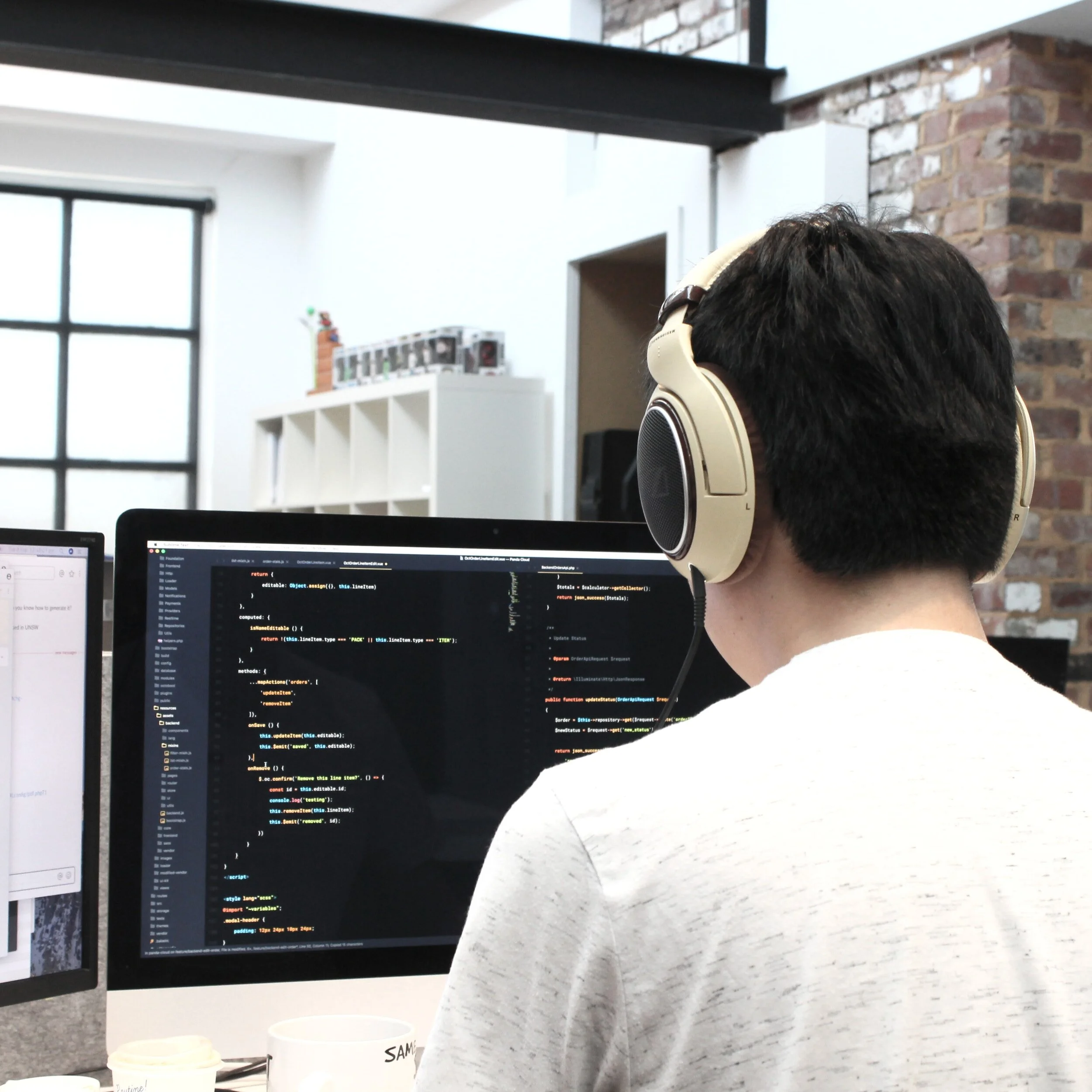
Whether it is for a mobile application, desktop, or web page every time a new project is going to be started, developers will analyze the client's requirements, and based on that they will select which programming language they are going to work with. Although sometimes decision-making will be closely linked to the culture of the company, in other words, they will use languages in which the company already has experience.

In this blog, we will talk about some of the programming languages most used by developers for the frontend and backend development of websites.

Let's start by defining what FrontEnd and BackEnd are.

unsplash-image-TEemXOpR3cQ.jpg

FrontEnd

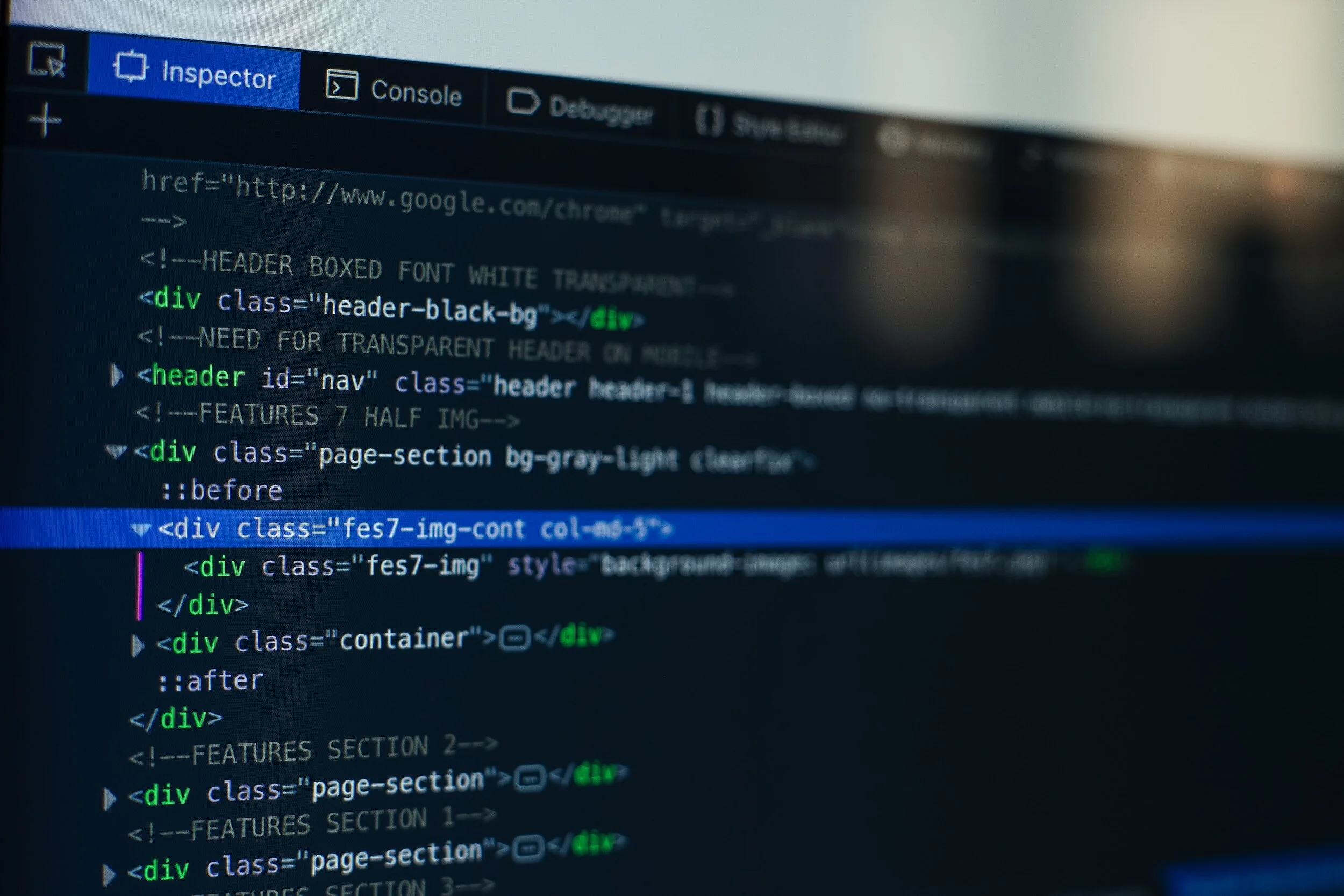
Frontend or client-side technologies are responsible for creating the user interface and are used in devices that connect to servers through the Internet. It includes images, icons, drop-down menus, and colors, thus improving the user's browsing experience. Usually, these technologies are implemented in the browsers we use. The most used languages in FrontEnd are JavaScript, HTML, CSS, Ajax, jQuery, and Angular.

BackEnd

BackEnd or server-side technologies are used to manage incoming requests for information and to manage databases hosted on servers. After the request for information is processed, a response is returned to the device to be viewed through FrontEnd technologies. Among the most used BackEnd languages are PHP, Java, Python, and MySql.

Most Used FrontEnd Languages for Websites

unsplash-image-xrVDYZRGdw4.jpg
  1. JavaScript is one of the most widely used programming languages because it enables more dynamism in websites, achieving greater interaction with users. It is also compatible with iPhone and other mobile devices and supported by the most popular browsers.

Examples of websites developed with JavaScript are the social networks Facebook, Instagram, and Twitter.

  1. HTML & CSS, although HTML is not a programming language, but a markup language, it is commonly used for FrontEnd development of web pages. Hypertext Markup Language (HTML) provides meaning and structure to the contents on the web, and by allowing to include tags you can organize this content by images, tables, links, texts, among others.

However, one characteristic of this language is that it is not visual, so CSS is used to style and present the content created in HTML. It is designed to separate and present the contents, including design, colors, and fonts, providing more flexibility and control in the specification of presentation characteristics.

Most Used BackEnd Languages for Websites

  1. PHP is a hypertext processor mainly used in the programming of web pages and dynamic web applications. It is considered one of the easiest languages to learn. And its flexibility and compatibility with other databases is an advantage.

unsplash-image-D9Zow2REm8U.jpg
  1. Python can be used to implement object-oriented, aspect, or functional programming. It is considered a dynamic language usually used as a scripting language. Google sites like YouTube use Python. In addition, it has gained popularity in the video game industry and in the science industry as well.

Behind every web page, you access on the Internet there are dissimilar codes and programming languages that make it possible to send messages, shop online or read an article. The best thing is that you don't have to understand how it works to use it, that's what software development companies are for.

So, if you are interested in developing a software project, contact us, we will be happy to guide you on that journey.


Help Desk Versus IT Support: What’s the Difference?

unsplash-image-AIIC6wCqkQc.jpg

What is a Help Desk? 

A help desk is the first point of contact that customers have to answer any of their questions. Customers are often asking simple questions, that can be either be easily answered or their solution is readily available. The focus of the help desk is to be any kind of support possible to customers. This means customers are not only directed to the help desk for technical support but instead, all of their general questions can be answered as well. 

Specifically, within small or large businesses, help desks are there to help troubleshoot and support the technological problems that may arise. 

unsplash-image-npxXWgQ33ZQ.jpg

What Does IT Support Do? 

IT support is a much more specific realm of customer assistance. The help of IT support is to address the more complex technology needs of a business or customers. IT support intends to address your business’ goals and how you hope to achieve them. The help of IT support means your business could start using user data to implement automation, or start having a strong IT focus on managing new software projects. 

When Does Each Apply: Proactive vs. Reactive? 

Interestingly, we can think about the help desk being a more reactive system, while IT support is much more proactive. Help desks would focus on addressing the concerns of business as they raise them, such as being technology support to help fix a ‘down’ system or helping install a program. On the other hand, IT support is focusing on adding to the business. There is a focus on improving the current strategies and tactics used by the business to increase efficiency and perhaps make the systems more user-friendly. 

unsplash-image-_XLJy3h77cw.jpg

The Importance of a Help Desk and IT Support

The two services are not interchangeable, there is an importance to having each within your business. The value of having help desk support to solve technical problems can be extremely beneficial on a daily basis. While in contrast, IT support yearns to proactively understand the business’ next steps to promote growth and advancement. 

The Role of a Help Desk: 

  • Address Problems as They Arise

People need to bring their concerns or problems to the help desk to find solutions. If one person is experiencing a problem, this is a great way to have space for people to comfortably share their everyday technical problems. Having a help desk is an allocated forum to turn to when needing quick solutions.  

unsplash-image-itPxkOCMMuY.jpg
  • Emphasis on Solving Problems in a Timely Fashion

Customers or people within the business turn to the help desk for immediate support. This is a quick way to ensure business concerns are being heard and ensuring they are addressed within a reasonable time frame. 

  • Can Help to Provide Answers 

As we now understand, help desks are a great way to get feedback and technical solutions. The benefits of the help desk are that they are dedicated to solving and managing the problems that occur.  

The Role of IT Support: 

unsplash-image-744oGeqpxPQ.jpg
  • Focus on Creating Growth Within the Business

IT Support is a way to build your company’s technical resources. Implementing IT Support, their focus is to understand your business and what projects should be underway to help achieve your growth goals. The emphasis on managing projects means your IT support team is dedicated to making progress and headway within your company. 

  • Looks at the Business Goals and Steps Ahead

As the IT support looks at projects to manage ways to advance the company - they are dedicating themselves to your business. IT support is a refreshing way to have another set of eyes looking at your business. Their dedication to making advancement means they understand the ins and outs, your business goals, and understand the motivation behind every project they implement. 

unsplash-image-0VGG7cqTwCo.jpg
  • Essential to Advance the Company 

The new digital age means technology is a new path to success. Advancing your business’ technology, the way you work, and increasing efficiency are all essentials to creating the strongest running business you can. IT support is the path to establishing growth and ensuring your technical goals are being attained. 

Conclusion: How to Focus on Growth for Your Business

IT Support requires strong technical skills and dedication to your business. This can be achieved by outsourcing IT support. Outsourcing your information technology support means you have a team of experts coming on to your team with a different lens of your business needs and striving to achieve your wishes.

ISU Corp can be an asset to your business, contact us!